


Level 1: Every Hand Ready: Basic Life-Saving Skills for Church Volunteers
Churches serve as sanctuaries of worship, community gathering spaces, and centers of care. Within these sacred walls, medical emergencies can and do occur. From cardiac events during Sunday service to playground injuries at youth gatherings, church volunteers often find themselves as the first responders in critical moments. The difference between a positive outcome and tragedy frequently depends on the immediate actions of trained individuals who understand basic life-saving principles.
This comprehensive training series begins with foundational skills every church volunteer should master: regardless of their official role or medical background. These competencies form the bedrock upon which more advanced emergency response capabilities are built.
The Critical First Minutes
Medical emergencies rarely announce themselves with advance warning. A congregant may suddenly collapse during prayer, a child might experience a severe allergic reaction during vacation Bible school, or a volunteer could suffer a significant injury while preparing for an event. In these situations, the first few minutes determine outcomes more than any subsequent medical intervention.
Professional emergency medical services typically require 8-12 minutes to arrive on scene, even in urban areas. During cardiac arrest, brain damage begins within 4-6 minutes without adequate oxygen circulation. This reality underscores why basic life-saving skills among church volunteers represent the difference between life and death, not merely comfort until help arrives.
Scene Safety and Initial Assessment
Before any medical intervention, volunteers must master scene safety assessment. This fundamental principle protects both the responder and the victim from additional harm. Church environments present unique considerations: crowded worship spaces, playground equipment, kitchen facilities, and parking areas each carry specific hazards.
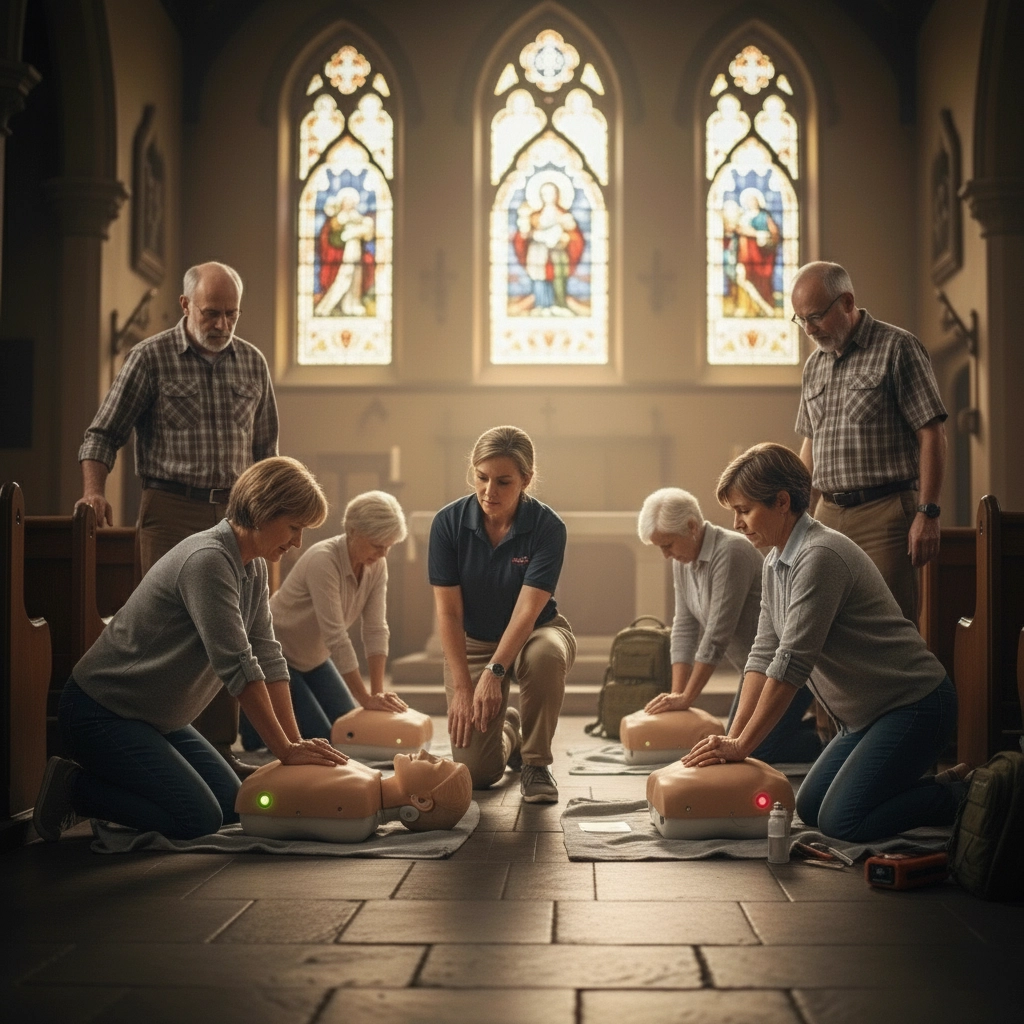
The initial approach follows a systematic pattern. First, ensure the scene is safe for entry. Look for obvious dangers such as electrical hazards, structural damage, or ongoing violence. Second, determine responsiveness by tapping the victim's shoulders and shouting "Are you okay?" Third, immediately call for help or designate someone to do so while you continue assessment.
Effective scene management also includes crowd control. Well-meaning congregants often gather around emergency situations, creating obstacles for responders and compromising victim privacy. Designating specific individuals to manage bystanders while you provide care maintains both effectiveness and dignity.
Cardiopulmonary Resuscitation Fundamentals
CPR represents the most critical life-saving skill for church volunteers. Sudden cardiac arrest can affect individuals of any age, often without warning signs. Traditional CPR combines chest compressions with rescue breathing, but Hands-Only CPR offers an accessible alternative that focuses exclusively on compressions.
The American Heart Association emphasizes that Hands-Only CPR is nearly as effective as traditional CPR for adult cardiac arrest victims during the first several minutes. This simplified approach removes barriers to action while maintaining life-saving effectiveness.
Proper chest compressions require specific technique. Position the heel of one hand on the center of the victim's chest, between the nipples. Place your other hand on top, interlacing fingers. Keep arms straight and use your body weight to compress at least 2 inches deep at a rate of 100-120 compressions per minute. Allow complete chest recoil between compressions without lifting your hands from the chest.
The rhythm can be maintained by mentally counting or using the beat of familiar songs. "Stayin' Alive" by the Bee Gees provides the ideal tempo, though some prefer "Another One Bites the Dust" for its consistent beat.
Automated External Defibrillator Operation
Churches investing in AED units must ensure volunteer competency in their operation. These devices analyze heart rhythms and deliver electrical shocks when appropriate, significantly improving survival rates from sudden cardiac arrest.
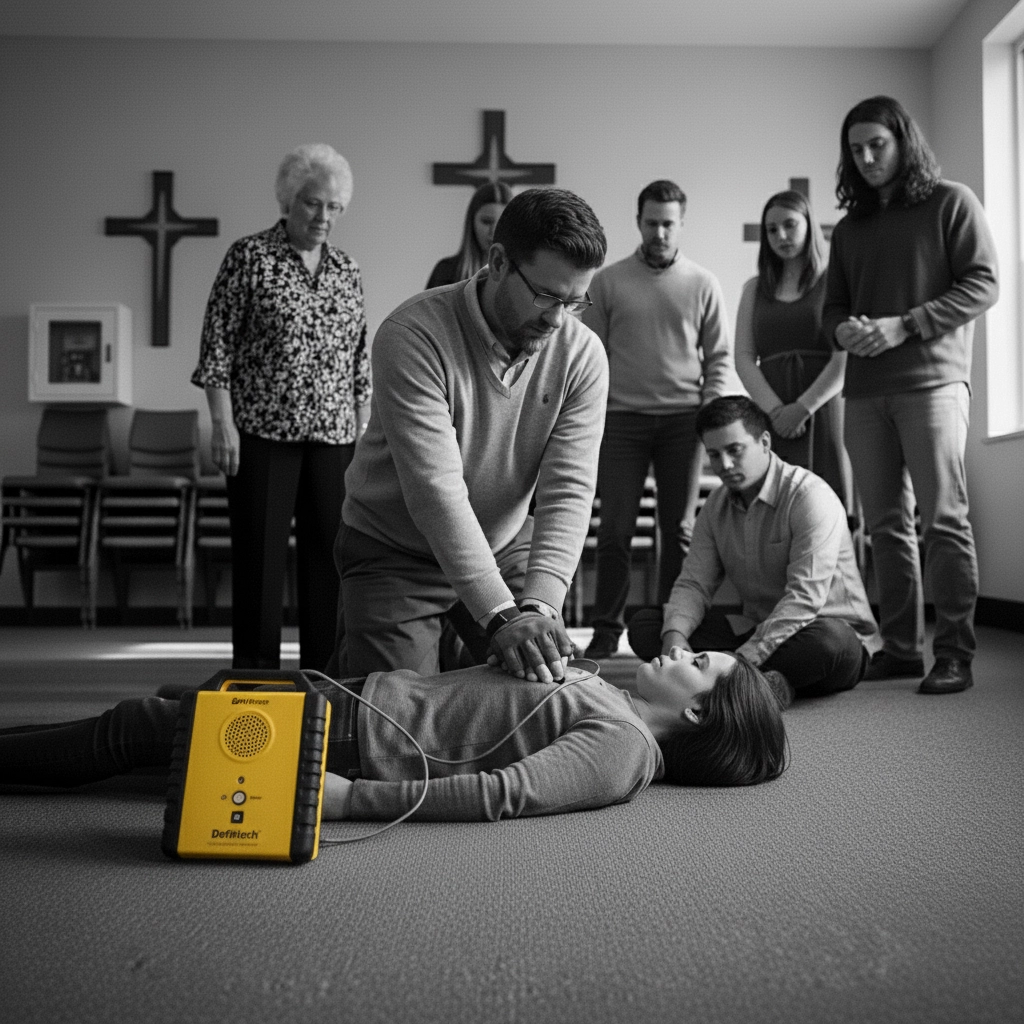
Modern AEDs are designed for lay responder use, providing clear voice prompts throughout the process. However, hands-on training remains essential for building confidence and ensuring proper technique under stress. Key operational principles include proper pad placement, ensuring no one touches the victim during analysis and shock delivery, and continuing CPR immediately after shock administration.
AED placement within church facilities requires strategic consideration. Units should be visible, accessible, and located where they can reach the greatest number of potential emergency locations within the recommended response timeframe. Regular maintenance checks ensure battery life and pad expiration dates remain current.
Basic First Aid Competencies
First aid skills address the broad spectrum of injuries and medical conditions volunteers encounter in church settings. These range from minor cuts and bruises to more serious bleeding, burns, and allergic reactions.
Bleeding control represents a fundamental first aid skill with life-saving implications. Direct pressure over clean gauze or cloth stops most bleeding effectively. Elevation of injured extremities above heart level can reduce blood flow to wounds. Pressure point compression: applying pressure to arteries between the injury and the heart: provides additional control for severe bleeding.
Burns require immediate cooling with room temperature water for 10-20 minutes, followed by loose, dry dressing application. Never use ice, butter, or other home remedies that can worsen tissue damage. Chemical burns demand copious water irrigation and immediate emergency medical services activation.
Airway Management Basics
Choking emergencies demand immediate intervention skills. The Heimlich maneuver (abdominal thrusts) can dislodge foreign objects from airways in conscious victims. For unconscious choking victims, CPR chest compressions may force objects from airways between compression cycles.
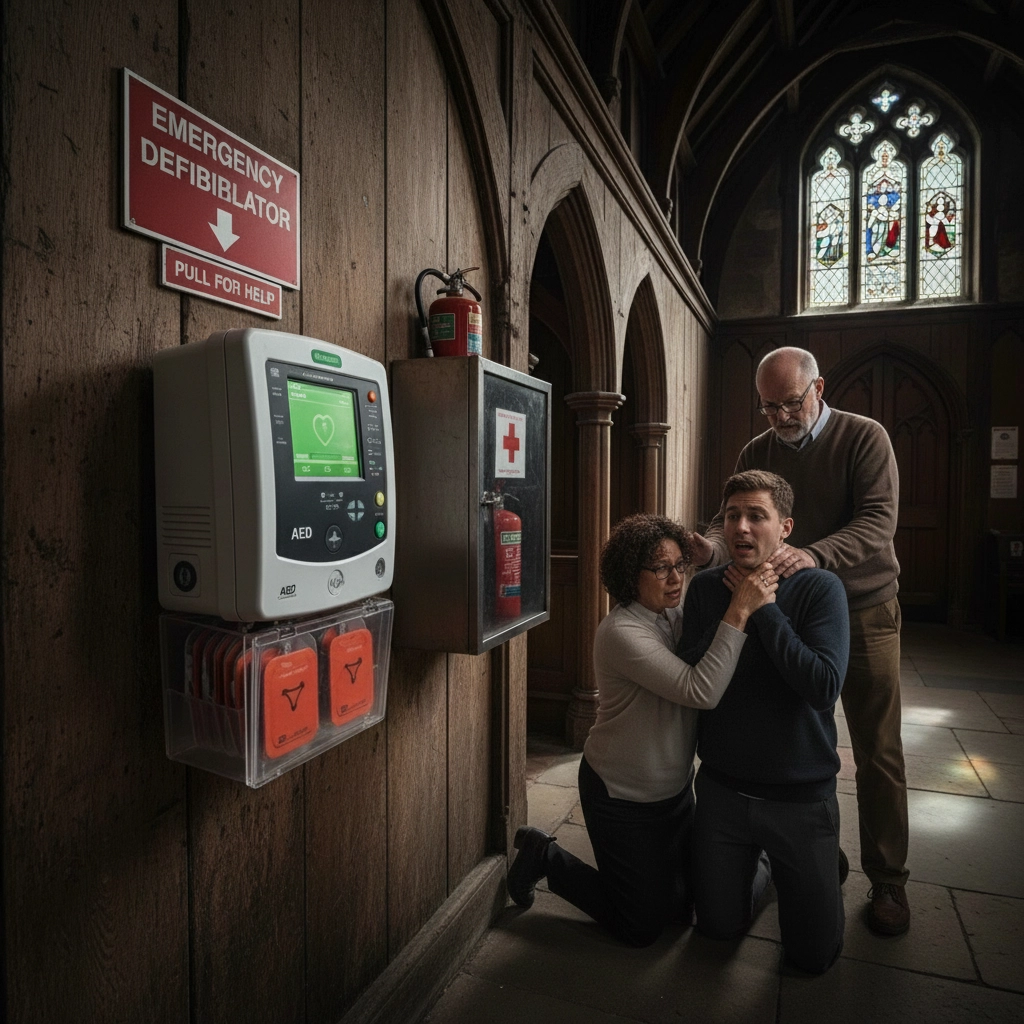
Recognition of choking includes the universal sign: hands clutched to the throat: along with inability to speak, cough, or breathe. Encourage coughing if the victim can produce any sound, as this indicates partial airway obstruction that may clear naturally.
Special considerations apply to infants under one year old. Back blows alternated with chest thrusts replace abdominal thrusts in this age group due to anatomical differences and injury risk.
Medical Emergency Recognition
Church volunteers must recognize signs and symptoms of common medical emergencies beyond cardiac arrest and trauma. Stroke symptoms follow the FAST acronym: Face drooping, Arm weakness, Speech difficulties, and Time to call 911. Diabetic emergencies present as altered mental status with either high or low blood sugar levels.
Severe allergic reactions (anaphylaxis) can develop rapidly following exposure to allergens such as foods, medications, or insect stings. Symptoms include difficulty breathing, swelling of face and throat, rapid pulse, and widespread skin reactions. These emergencies require immediate emergency medical services activation and epinephrine administration when available.
Personal Protective Equipment Essentials
Bloodborne pathogen protection is both a legal requirement and safety imperative for church volunteers providing medical care. Hepatitis B, Hepatitis C, and HIV transmission can occur through contact with infected blood or body fluids.
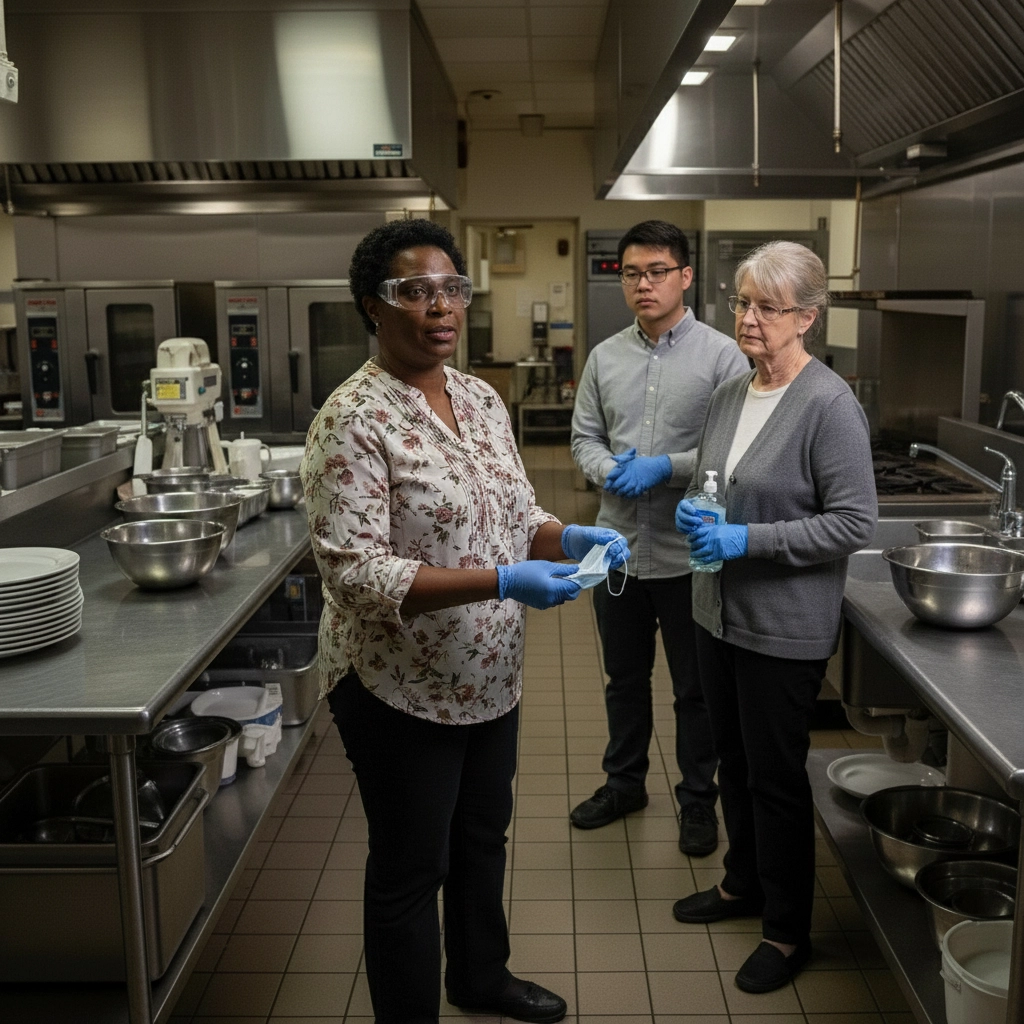
Basic PPE includes disposable gloves, face shields or masks, and eye protection. Proper glove removal technique prevents contamination: pinch the outside of one glove near the wrist, peel away from your body turning the glove inside out, hold the removed glove in the gloved hand, slide fingers under the remaining glove at the wrist, peel the second glove off over the first glove, and dispose of both gloves appropriately.
Communication and Documentation
Effective emergency communication begins with accurate information relay to emergency medical services. Provide the exact church address, including any landmark references that assist responder location. Describe the nature of the emergency, number of victims, and current condition assessments. Remain on the line until dispatchers indicate they have sufficient information.
Internal church communication systems should include rapid notification methods for pastoral staff and designated emergency response team members. Many churches implement simple alert systems using text messaging or facility-wide communication tools.
Building Individual Competence
Skill development requires regular practice and refresher training. CPR and first aid certifications typically expire every two years, but competency degrades much faster without practice. Monthly skill review sessions help maintain proficiency and build confidence among volunteer teams.
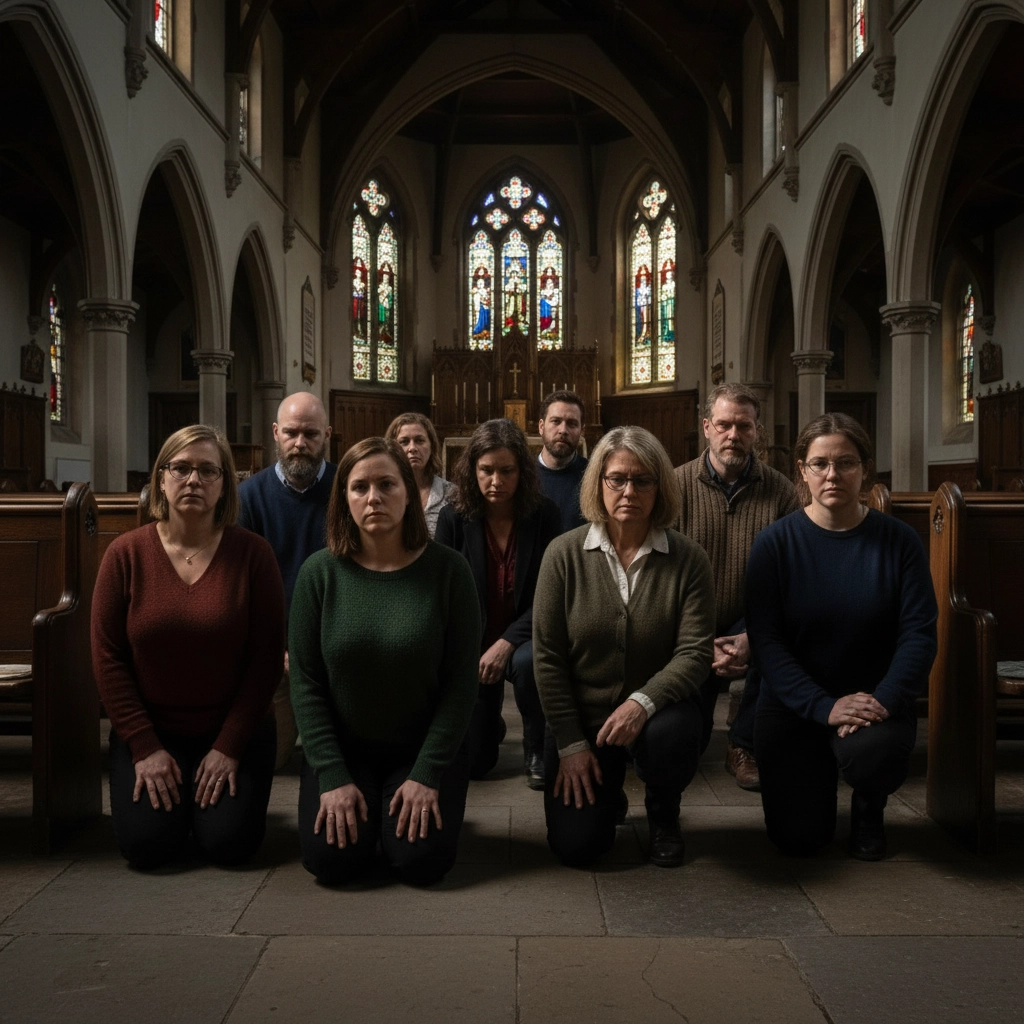
Individual preparation extends beyond formal training to personal readiness assessment. Volunteers should honestly evaluate their comfort level with different emergency scenarios and seek additional training in areas where they feel unprepared. This self-awareness prevents hesitation during actual emergencies when decisive action saves lives.
Equipment Familiarity and Maintenance
Church volunteers should maintain familiarity with available emergency equipment locations and proper usage. First aid kits, AEDs, emergency oxygen units, and communication devices require regular inspection and maintenance to ensure functionality during emergencies.
Basic first aid kit contents should include various bandage sizes, sterile gauze pads, adhesive tape, antiseptic wipes, burn gel, instant cold packs, disposable gloves, face shields, scissors, and emergency contact information. Medications should generally be avoided unless specific protocols exist with physician oversight.
Preparing for Progressive Training
These foundational skills prepare church volunteers for more advanced emergency response training that follows in this series. Competency in basic life-saving techniques provides the confidence and knowledge base necessary for handling minor incidents, moderate emergencies, and eventually major crisis situations.
The next phase of training will address minor incident management, including common injuries and medical conditions that occur regularly in church environments. Building upon these individual skills, volunteers will learn systematic approaches to injury assessment, treatment protocols, and when to seek additional medical assistance.
Every church volunteer can master these life-saving skills through dedicated training and practice. The investment in individual competency creates a foundation of safety that protects entire congregations and demonstrates the church's commitment to caring for all who enter its doors. When every hand is ready, every life has a better chance of being saved.
Leave a comment