


Level 2: Minor Incident Management for Teams – Church Emergency Response
Now that your church volunteers have mastered the individual life-saving skills covered in Level 1, it's time to advance to team-based emergency response. Level 2 focuses on coordinated management of minor incidents: the bread-and-butter emergencies that churches encounter regularly. These situations require multiple responders working together efficiently, clear leadership, and systematic approaches to common injuries and medical issues.
Level 2 incidents affect your church organization directly but typically don't require extensive external resources beyond initial emergency services. Think sprained ankles during fellowship activities, minor burns from kitchen incidents, behavioral emergencies during services, or multiple people feeling faint during summer outdoor events. These scenarios demand more than individual response: they require coordinated team action.
Establishing Team Structure and Leadership Roles
Effective Level 2 response begins with clear team structure and defined leadership. The Incident Coordinator serves as the on-scene leader, implementing your church's emergency plan and providing direction until professional emergency personnel arrive. This person evaluates the situation, maintains communication, and delegates necessary actions to team members.
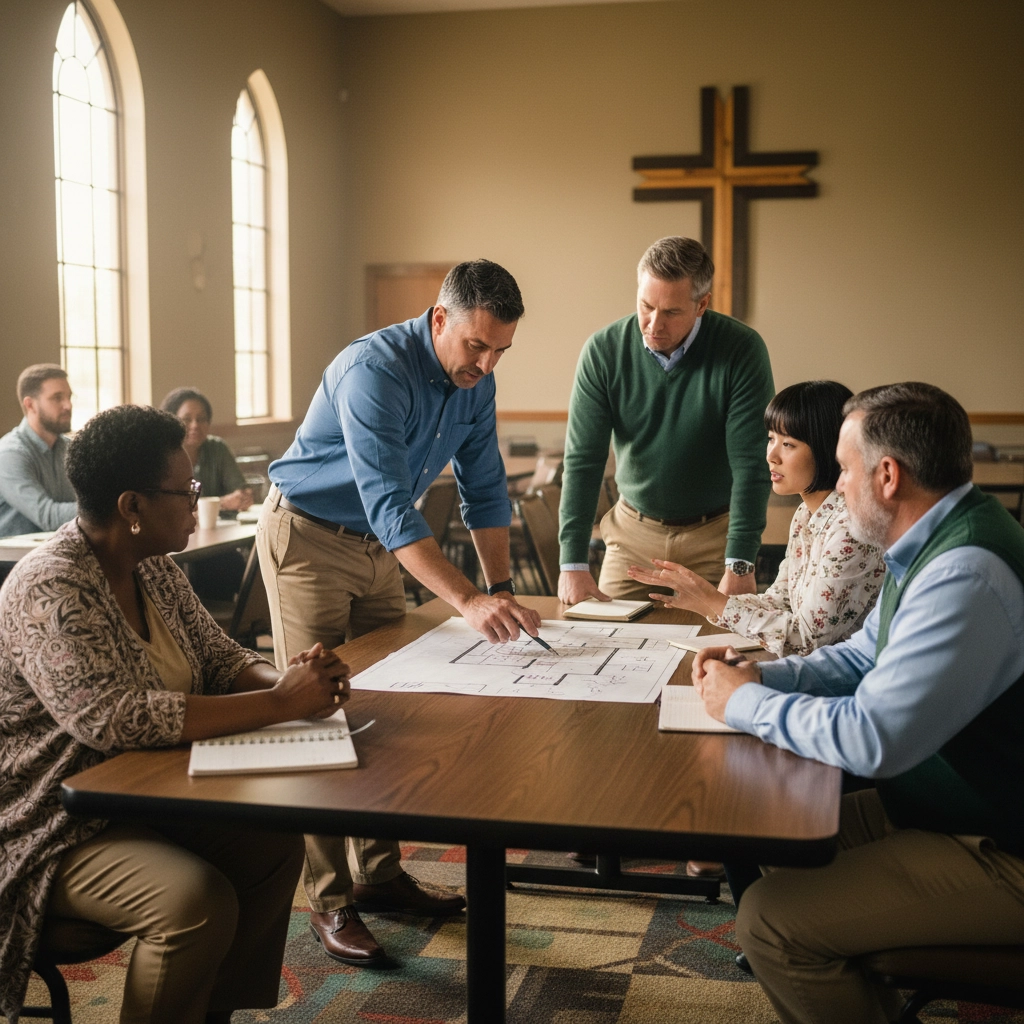
The Building Coordinator manages coordination with emergency agencies and implements evacuations or other facility-related emergency actions. They serve as the primary liaison with responding emergency services, relaying status reports and ensuring access to the facility as needed.
Medical Response Team Members provide direct patient care, conducting primary assessments and delivering first aid until professional medical help arrives. These volunteers should have completed Level 1 training and demonstrate competence in basic life-saving skills.
Safety Response Team Members facilitate evacuations, manage crowd control, and coordinate with building trustees to minimize additional hazards. They're responsible for confirming assigned sections are cleared during evacuations and maintaining communication via hand-held radios when available.
The key to successful Level 2 response lies in immediate role assignment. When an incident occurs, the first trained responder on scene assumes the Incident Coordinator role until someone with greater authority or training arrives. This prevents confusion and ensures immediate action while additional team members are being notified.
Minor Trauma Care: Beyond Basic First Aid
Level 2 response requires proficiency in managing common trauma injuries that don't immediately threaten life but need proper care to prevent complications. Sprains and strains are among the most frequent injuries in church settings: from children running in hallways to elderly members losing balance on steps.
For suspected sprains, implement the RICE protocol: Rest the injured area, apply Ice (wrapped in cloth, never directly on skin), provide gentle Compression with an elastic bandage, and Elevate the injury above heart level when possible. Monitor for signs that suggest more serious injury: deformity, inability to bear weight, numbness, or severe pain that doesn't improve with basic care.
Fractures require immobilization and immediate medical evaluation. Never attempt to straighten a suspected fracture. Instead, stabilize the injury in the position found, using splinting materials or improvised supports. Monitor circulation below the injury site by checking pulse, color, and sensation in fingers or toes.
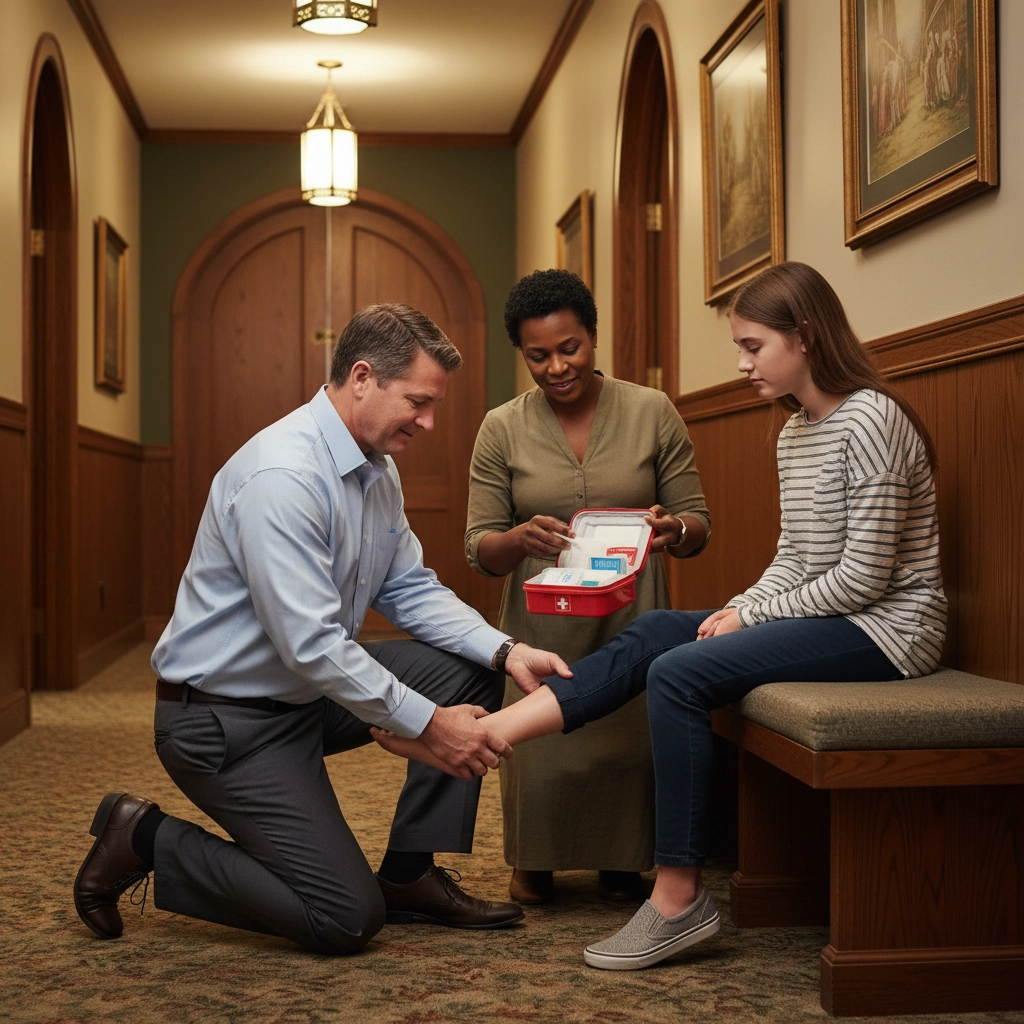
Minor wounds and cuts need systematic assessment and care. Clean your hands thoroughly before examining any wound. Control bleeding with direct pressure using sterile gauze or clean cloth. For deeper cuts that may require sutures, avoid using antiseptics or ointments: clean water irrigation is sufficient until professional medical care is available.
Burns from kitchen incidents or contact with hot surfaces require immediate cooling with room-temperature water for 10-20 minutes. Never use ice, which can cause additional tissue damage. For burns larger than the palm of the victim's hand, or any burn to face, hands, feet, or genital areas, arrange for immediate medical evaluation while providing supportive care.
Managing Non-Life-Threatening Medical Issues
Level 2 response includes managing medical emergencies that aren't immediately life-threatening but require coordinated team response. Seizures often alarm bystanders, but most seizures are self-limiting and don't require emergency medical intervention.
During a seizure, ensure scene safety by moving dangerous objects away from the person. Never restrain someone having a seizure or put anything in their mouth. Time the seizure duration: if it lasts longer than five minutes, or if multiple seizures occur without full recovery between episodes, call 911 immediately. Position the person on their side once the active seizure ends to maintain airway patency.
Fainting episodes are common in church settings, particularly during warm weather or long services. When someone reports feeling faint, help them sit with their head between their knees, or lie them down with legs elevated. Loosen tight clothing and ensure adequate ventilation. Most people recover quickly, but monitor for signs of underlying medical conditions that may require further evaluation.
Dehydration affects multiple people simultaneously during outdoor events or hot weather. Recognize early signs: dry mouth, decreased urination, fatigue, and dizziness. For conscious individuals with mild dehydration, provide small, frequent sips of water or electrolyte solutions. Avoid giving fluids to unconscious individuals or those experiencing vomiting.
Asthma attacks require calm, systematic response. Help the person sit upright and assist them in using their prescribed inhaler if available. If they don't have medication available, don't attempt to find medication belonging to someone else: asthma medications are prescribed specifically for individual patients. Call 911 if breathing doesn't improve with medication use, if the person cannot speak in full sentences, or if lips or fingernails appear blue.
Behavioral Emergencies and De-escalation Techniques
Level 2 response includes managing behavioral emergencies through de-escalation techniques and coordinated team response. Behavioral emergencies in churches might involve individuals experiencing mental health crises, substance-related issues, or extreme emotional distress.
The primary principle of de-escalation is maintaining everyone's safety while treating the individual with dignity and respect. Approach calmly and speak in a low, steady voice. Avoid sudden movements or gestures that might be perceived as threatening. Listen actively to what the person is saying, acknowledging their feelings without necessarily agreeing with their statements.
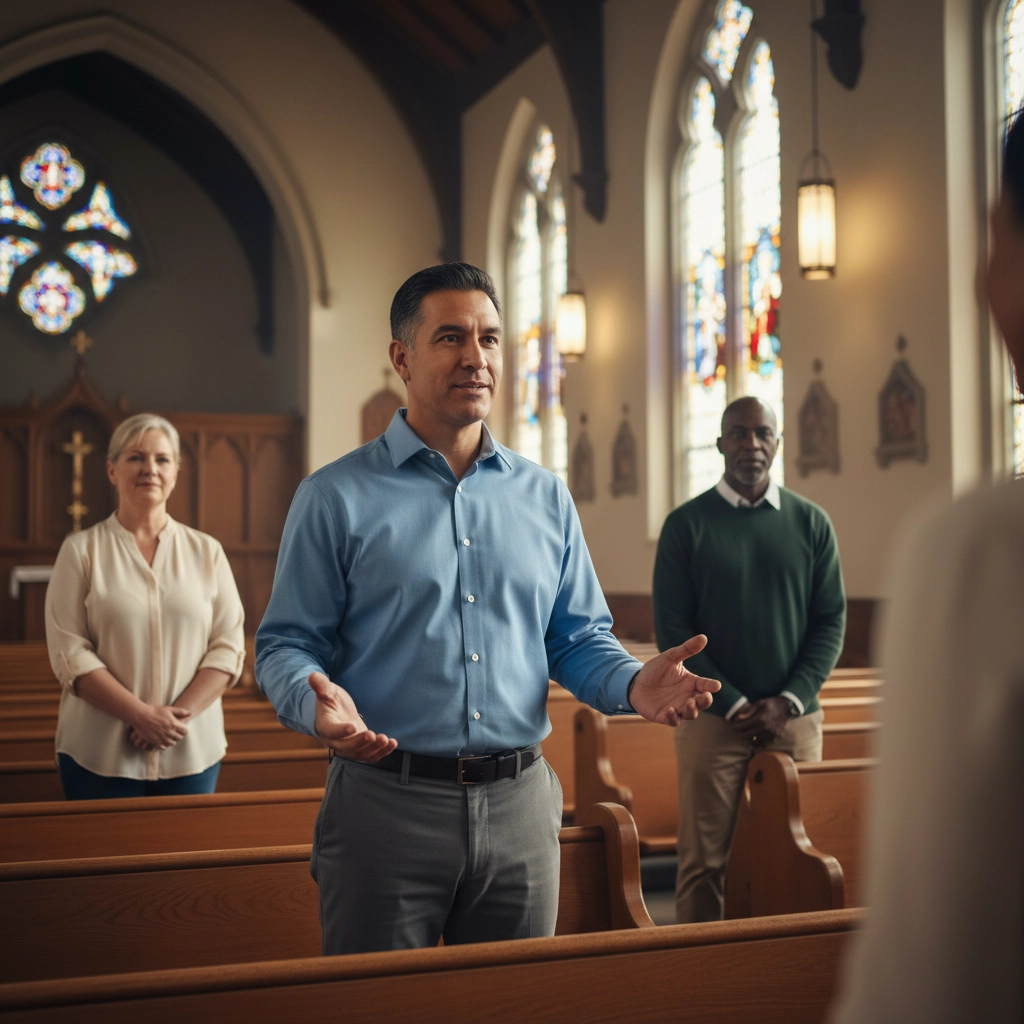
Maintain safe distances: generally arm's length plus additional space if the person seems agitated. Never turn your back on someone experiencing a behavioral emergency, but avoid direct staring, which can be perceived as confrontational. If multiple team members are present, designate one person as the primary communicator while others maintain supportive positions at safe distances.
Recognize when professional help is needed: threats of violence toward self or others, complete disconnection from reality, or substance intoxication that impairs judgment. In these situations, contact law enforcement and EMS while continuing supportive de-escalation efforts.
Physical restraint should only be used as a last resort when there's immediate danger of serious injury to the individual or others, and only by team members trained in safe restraint techniques. Most behavioral emergencies can be managed through patience, active listening, and professional emergency services intervention.
Group Communication and Coordination
Effective Level 2 response requires systematic communication protocols that ensure information flows efficiently between team members, church leadership, and emergency services. Establish primary and backup communication methods before incidents occur.
Hand-held radios provide excellent on-site communication when available, but establish clear radio protocols to prevent confusion. Use plain language rather than codes: say "medical emergency in the sanctuary" rather than using numeric codes that team members might not remember under stress.
Designate a communication coordinator who maintains contact with emergency services and provides updates to church leadership. This person should have access to important facility information: building layouts, utility shut-offs, and contact information for key personnel.
When multiple patients are involved, implement a simple triage system to prioritize care. Use colored tape or cards if available: red for immediate care needed, yellow for delayed care acceptable, green for minor injuries, and black for deceased. This system helps coordinate limited resources effectively.
Establish rally points for different types of emergencies. Medical emergencies might use the church office as a coordination point, while evacuation scenarios require outdoor assembly areas. Ensure all team members know these locations and their specific responsibilities at each site.
Documentation and Incident Reporting Systems
Proper documentation serves multiple purposes: continuity of care for patients, legal protection for the church, identification of training needs, and improvement of emergency response procedures. Every Level 2 incident requires systematic documentation, regardless of apparent severity.
Document basic incident information immediately: date, time, location, people involved, witnesses present, and a brief description of what happened. Record the names and roles of all responders who participated. Note environmental conditions that might have contributed to the incident: weather, lighting, floor conditions, or crowding.
For medical incidents, document initial patient condition, care provided, patient response to treatment, and final disposition (released to family, transported by EMS, etc.). Record vital signs if obtained and any medications the patient reported taking or that were administered.

Behavioral incidents require careful documentation of statements made, actions taken by responders, and any law enforcement involvement. Focus on objective observations rather than interpretations or assumptions about mental state or motivations.
Complete incident reports within 24 hours while details remain clear. Store reports securely and ensure they're accessible to church leadership and insurance representatives as needed. Review incident patterns regularly to identify training needs or facility modifications that could prevent future emergencies.
Building Team Readiness and Confidence
Level 2 emergency response requires regular training and practice to maintain team effectiveness. Schedule quarterly drills that simulate realistic scenarios your church might encounter: kitchen burns during fellowship meals, injuries during youth activities, or multiple people affected by heat during outdoor services.
Cross-train team members in multiple roles to ensure coverage when key personnel are unavailable. The person who serves as Medical Response Team Member on Sundays should understand Building Coordinator responsibilities and communication protocols.
Maintain current rosters of trained team members with their specific certifications and contact information. Ensure team members understand their authority and limitations: when to act independently and when to request additional resources or professional assistance.
Level 2 response builds the foundation for handling more complex emergencies while managing the routine incidents that test your church's preparedness regularly. Master these team-based skills, and your congregation will be equipped to handle the majority of emergencies with confidence, compassion, and professional competence.
The investment in Level 2 training pays dividends in both emergency response effectiveness and overall congregational confidence. When members see trained teams managing incidents professionally, they trust in the church's commitment to their safety and well-being.
Leave a comment