When Help is Hours Away,
Your Kit Can't Wait
Medical SME veteran-led. Evidence-based wilderness trauma care for when evacuation isn't an option.
MED-TAC International brings professional-grade medical readiness to wilderness preparedness. Our team — medical, public safety, and military professionals — applies the same evidence-based trauma care principles trusted by responders, adapted for hikers and backpackers who venture beyond the reach of immediate help.
The Golden Hour Doesn't Exist in the Backcountry
In town, an ambulance arrives in minutes — the national median response is about 7 minutes (Mell 2017, JAMA Surgery). In the wilderness, help is measured in hours: mountain rescue missions routinely take hours, and the first person who can help is you.
Response Times That Could Kill
- Urban EMS: about 7-minute median response in town
- Rural Ground EMS: response times measured in many minutes to hours
- Alpine/Mountain Rescue: missions commonly take hours, not minutes
- Search & Rescue Operations: 3-4 hours typical mission time
- Remote areas: you may be the only care available for the entire evacuation
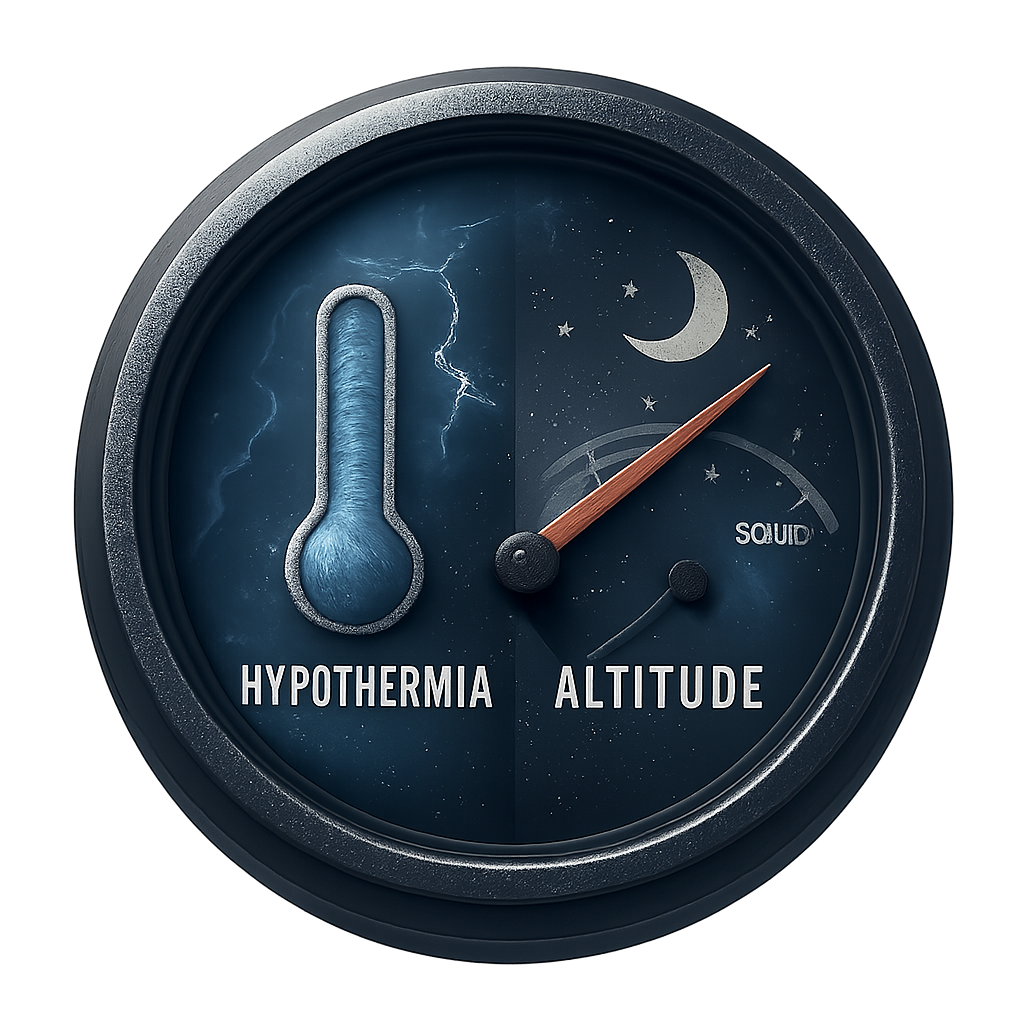
Environmental Challenges
- Hypothermia can develop even in summer
- Altitude affects decision-making above 8,000ft
- Weather can ground helicopters instantly
- Darkness complicates medical evacuations
- Cell service fails when you need it most

Resource Limitations
- No trauma bay waiting
- No blood products available
- No advanced airway management
- No surgical intervention possible
- You are the first responder
The MARCH Framework Introduction
The U.S. military's Tactical Combat Casualty Care (TCCC) protocols have saved thousands of lives in combat zones - environments that mirror wilderness medicine's challenges:
- Extended evacuation times
- Limited resources
- Environmental threats
- No immediate medical backup
MARCH: Your Wilderness Survival Framework
Stop catastrophic bleeding first
Ensure they can breathe
Treat chest injuries
Manage shock
Prevent environmental death
Why Your Drugstore Kit Won't Save Lives
| Drugstore First Aid Kit | Tactical Trauma Kit |
|---|---|
| Band-aids & gauze pads | CAT/SOF‑T windlass tourniquet |
| Triple antibiotic ointment | Hemostatic gauze (QuikClot/ChitoGauze) |
| Ace bandage | Pressure trauma dressing |
| Adhesive tape | Vented chest seals |
| Aspirin | Emergency space blanket |
| Treats: Minor cuts, headaches | Treats: Life‑threatening trauma |
The Bottom Line
In the wilderness, preparation is everything. When definitive care is hours away, having the right equipment and knowledge means the difference between a close call and a story you'll tell for years - and the confidence to act when it matters most.

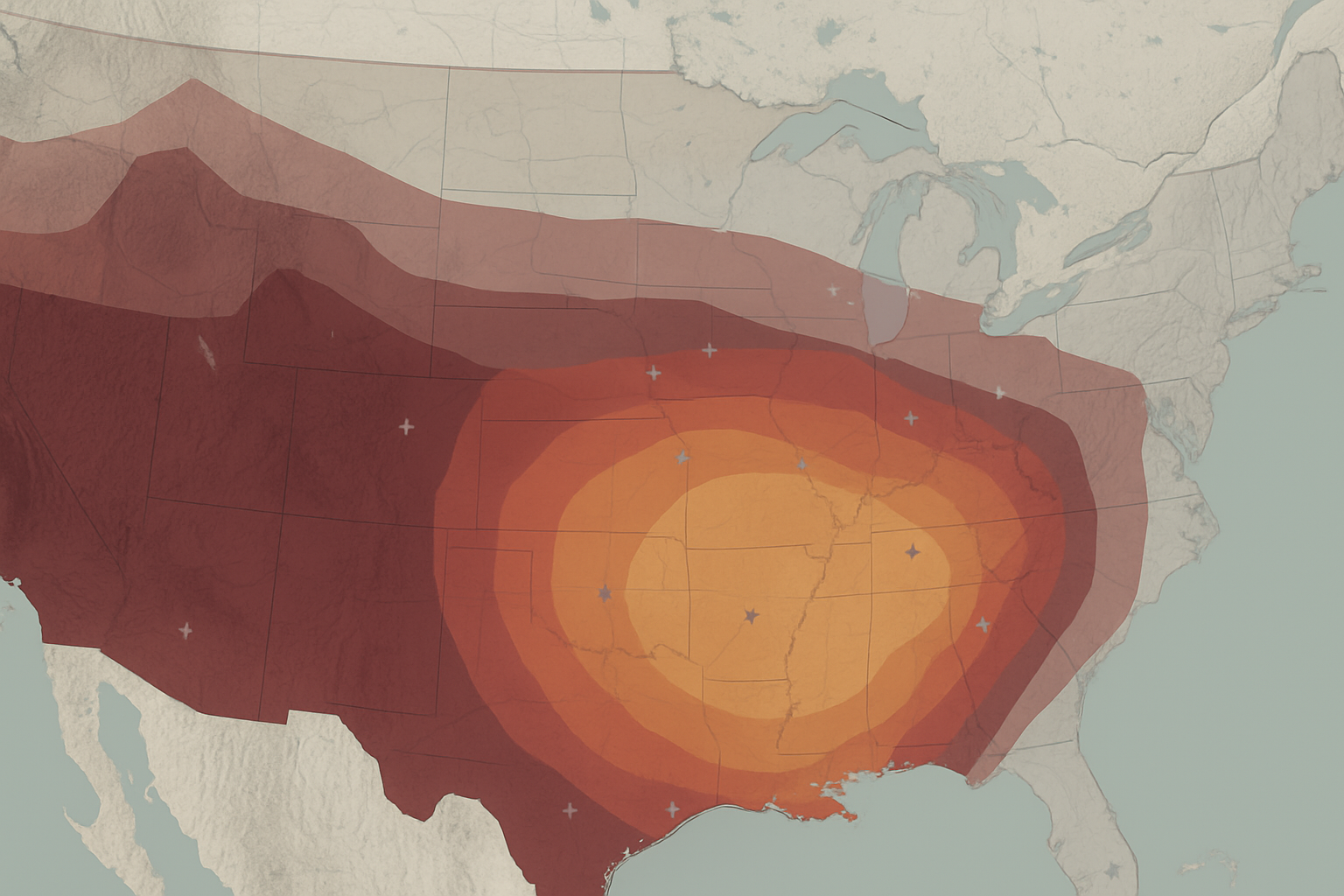
The 5 Threats Every Wilderness Traveler Must Prepare For
Evidence-based protocols adapted from military medicine for civilian wilderness use
Massive Hemorrhage
The #1 Preventable Cause of Trauma Death
What It Is
Life‑threatening external bleeding from arteries or major veins, typically from falls, climbing accidents, or equipment injuries. In the wilderness, this includes:
- Arterial bleeding (bright red, spurting with heartbeat)
- Deep lacerations in areas you can't tourniquet (groin, armpit, neck)
- Amputations or near‑amputations from falls or equipment
Why It Matters
- Uncontrolled arterial bleeding can become unsurvivable in minutes without immediate intervention
- Falls account for 48% of outdoor recreational injuries treated in emergency departments
- Unlike urban settings, you can't "just apply pressure and wait" - help is hours away
Recognition Signs for Non‑Medical People
Look for:
- Blood that's spurting or pooling rapidly
- Clothing soaked through in seconds
- Patient becoming pale, confused, or losing consciousness
- Blood you can't control with direct pressure
- Any traumatic amputation
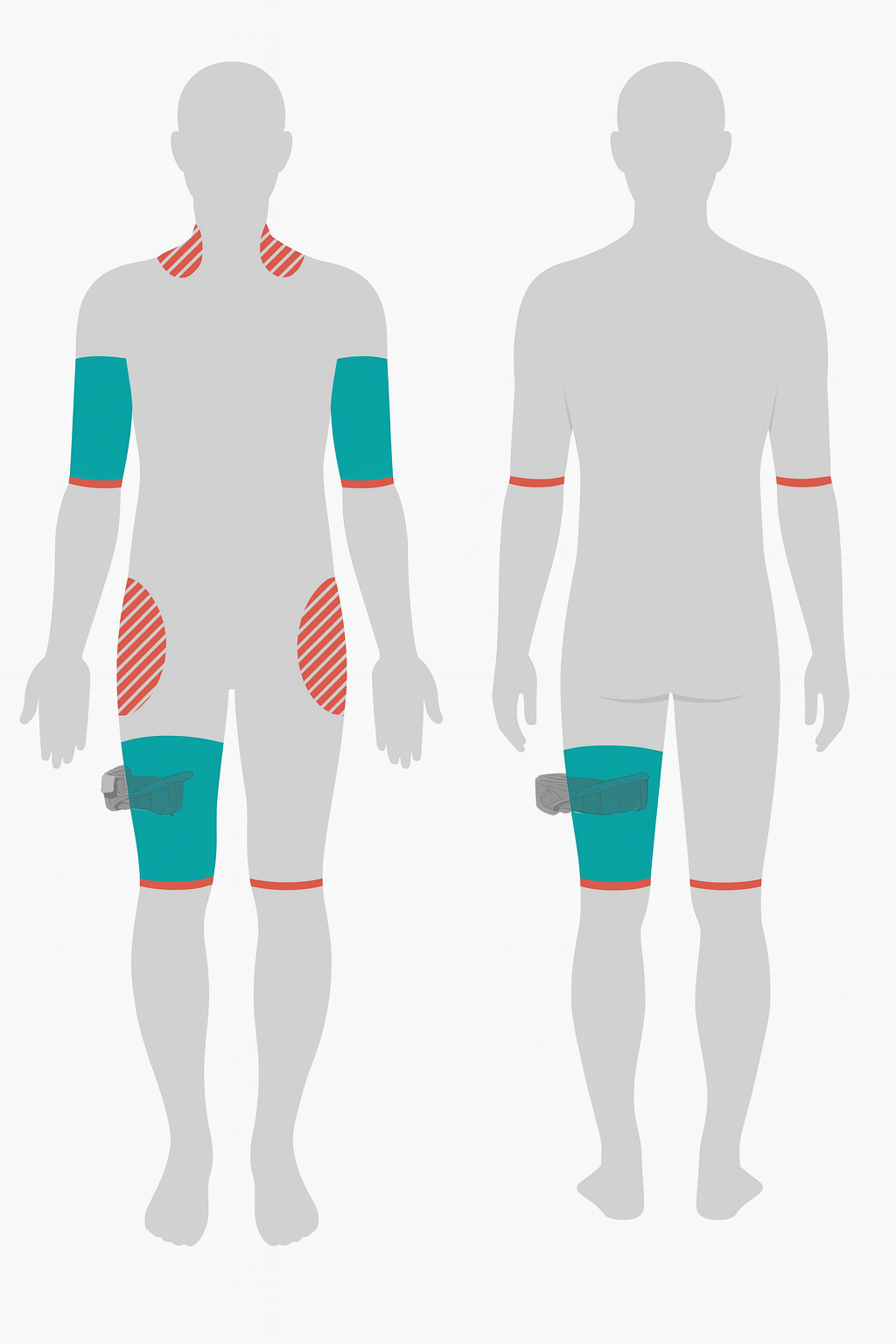
2‑3" above the wound
Between the wound and the heart
Above the joint
On one long bone, not across the bend
Unknown wound? Go high and tight
High on the limb, as tight as you can pull
Never on a joint
Won't stop bleeding and hurts more
What to Do (High‑Level Protocol)
- Expose the wound - Cut away clothing to see the source
- For limb bleeding: Apply tourniquet 2‑3 inches above wound, not over joints
- For junctional areas: Pack with hemostatic gauze, hold pressure for 3+ minutes
- Mark the time on tourniquet or patient
- Prevent shock - Keep warm, position flat if possible
What You Need
- Windlass tourniquet (C-A-T or SOF‑T) - proven to stop arterial bleeding
- Hemostatic gauze - QuikClot or ChitoGauze for wounds you can't tourniquet
- Pressure dressing - Maintains pressure after packing
- Trauma shears - Quick clothing removal
- Permanent marker - Document intervention time
Airway Compromise
When They Can't Breathe, Nothing Else Matters
What It Is
Blockage or compromise of the airway from:
- Facial trauma from falls
- Swelling from allergic reactions
- Unconsciousness with tongue blocking airway
- Vomit or blood in airway
- Severe neck/jaw injuries
Why It Matters
- Permanent brain injury can begin in minutes without oxygen
- Common after falls from height or head impacts
- Position alone can save or lose a life
- No advanced airway tools in the field means basic techniques must work
Immediate Threats
- Noisy, labored breathing or gurgling sounds
- Unable to speak or only speaks 1‑2 words
- Blue lips or face (cyanosis)
- Unconscious with snoring or no breath sounds
- Visible trauma to face/neck/jaw
What to Do (High‑Level Protocol)
- If conscious: Let them find their best breathing position
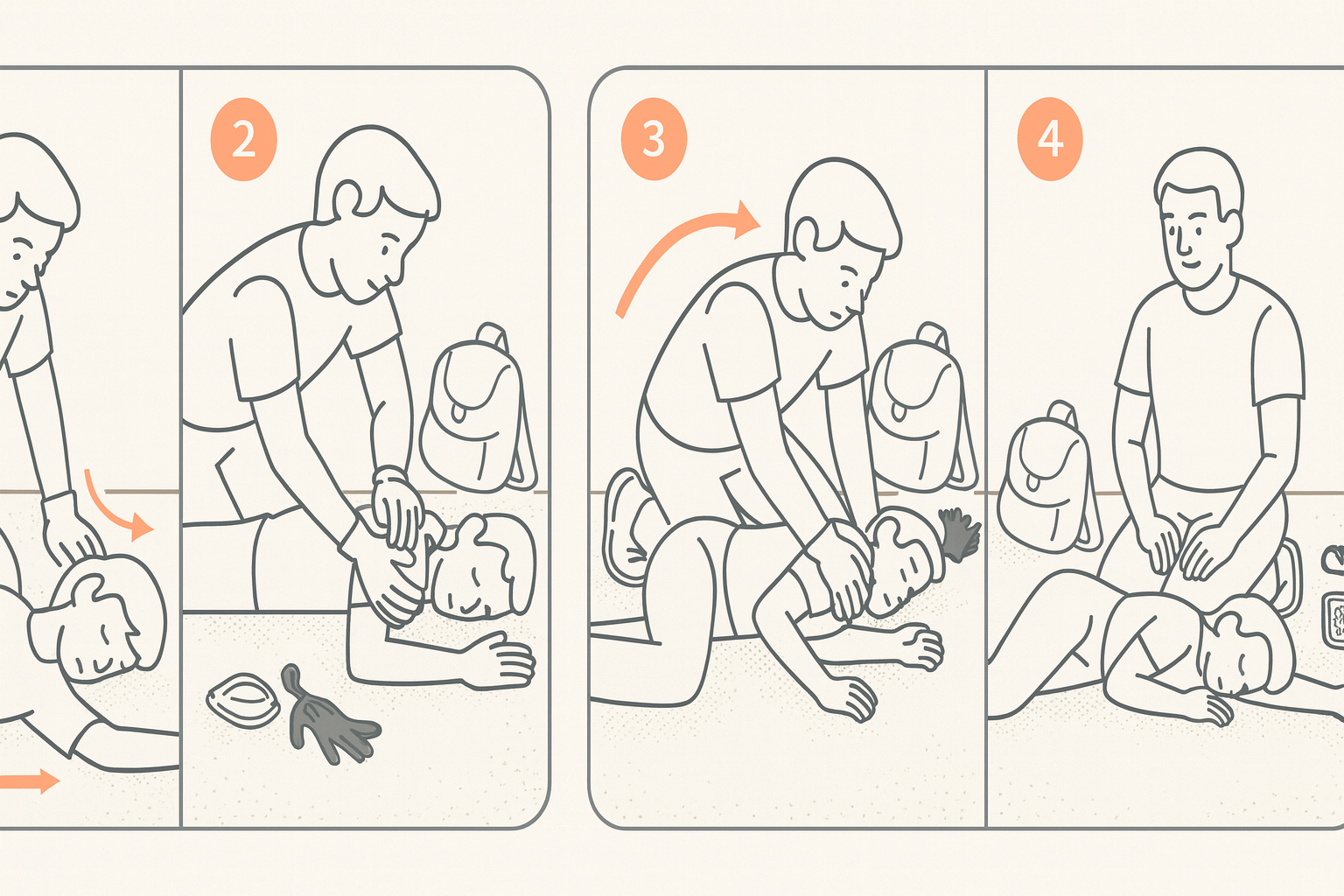
- If unconscious but breathing: Recovery position (lateral, stable)
- Clear visible obstructions with finger sweep
- Open airway: Head‑tilt/chin‑lift (no spine injury) or jaw thrust
- Consider NPA (nasopharyngeal airway) if trained
What You Need
- NPA (Nasopharyngeal Airway) with lubricant
- Positioning knowledge - Recovery position training
- Suction device (if available) or gauze for clearing
- Face shield/pocket mask for rescue breathing
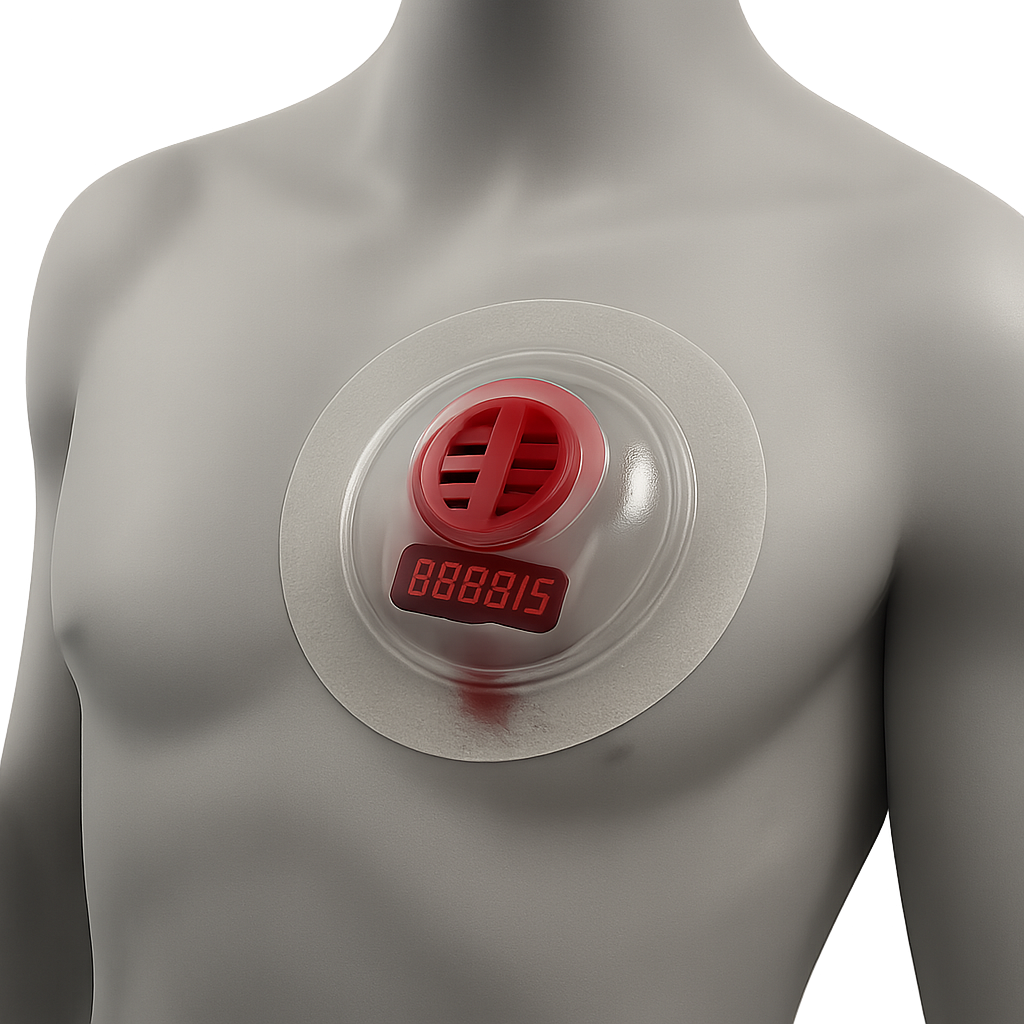
Respiration (Chest Injuries)
The Hidden Killers You Can't See
What It Is
Chest wall injuries that impair breathing:
- Pneumothorax - Air in chest cavity from penetrating wound or rib fractures
- Hemothorax - Blood in chest cavity
- Flail chest - Multiple rib fractures creating unstable segment
- Open chest wounds - "Sucking" chest wounds
Why It Matters
- Common in falls onto rocks, tree branches, or ice axes
- Can develop slowly, then deteriorate rapidly
- Tension pneumothorax can kill in minutes if untreated
- Altitude makes any breathing problem exponentially worse
Warning Signs
- Difficulty breathing that's getting worse
- Sharp chest pain, especially with breathing
- Bubbling or "sucking" sound from chest wound
- Coughing up blood or pink frothy sputum
- One side of chest not moving equally
- Increasing anxiety, confusion
What to Do (High‑Level Protocol)
- Expose chest to assess both front and back
- For open chest wounds: Can leave exposed, cover with clean non-occlusive dressing, or apply vented chest seal
- Position for comfort - Usually semi‑sitting if conscious
- Monitor closely - Watch for tension pneumothorax signs
- "Burp" seal if worsening - Lift edge to release trapped air
What You Need
- Vented chest seals (HyFin Vent Twin Pack) - Allows air out, not in
- Occlusive dressing as backup (plastic wrapper, glove)
- Trauma shears for rapid chest exposure
- Knowledge of tension signs - When to release seal

Environmental Threats
The Silent Killer in Every Season
What It Is
Environmental emergencies that complicate any injury:
- Hypothermia - Core temperature drop (kills more than avalanches)
- Heat injuries - Heat exhaustion/stroke
- Altitude illness - AMS, HACE, HAPE
- Envenomation - Snake bites, spider bites
- Lightning - Direct/indirect strikes
Why It Matters
- 1,024 hypothermia deaths in U.S. (2023) - many preventable
- Hypothermia worsens bleeding by preventing clotting
- Can develop in summer at altitude with wind/rain
- Environmental injury + trauma = exponentially higher mortality
Recognition Signs
Hypothermia progression:
- Shivering → Confusion → Stops shivering → Unconsciousness
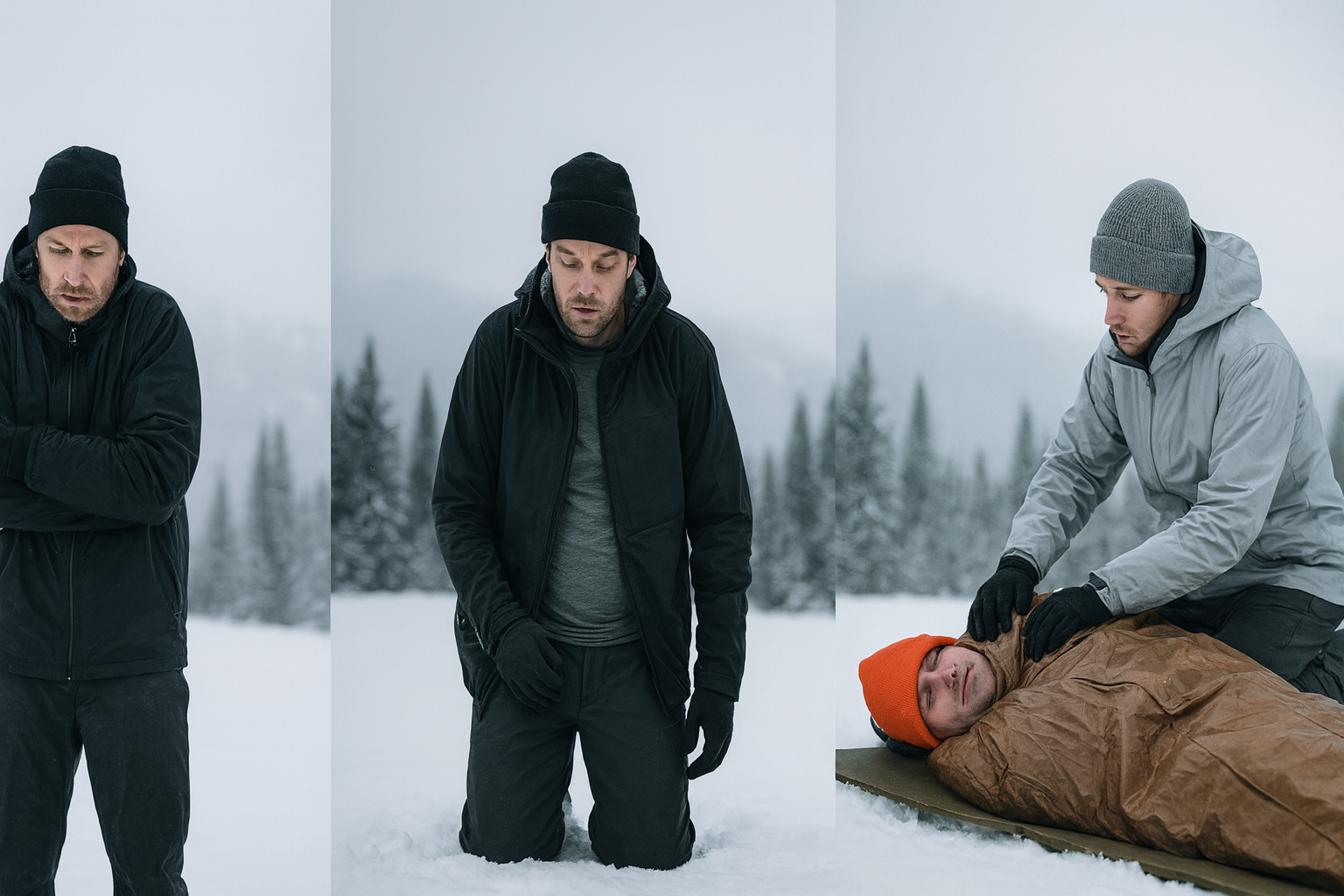
- "Umbles" - Stumbles, mumbles, fumbles, grumbles
Heat injury signs:
- Stops sweating, confusion, hot skin, collapse
Altitude illness:
- Headache + nausea, ataxia (can't walk straight), confusion
What to Do (High‑Level Protocol)
Hypothermia:
- Prevent further heat loss - Remove from wind/wet immediately
- Insulate completely - Ground pad crucial
- Vapor barriers for wet patients
- Gentle handling - Rough movement can trigger cardiac arrest
- No alcohol/coffee - Warm sweet drinks only if fully alert
Heat illness:
- Cool aggressively - Shade, wet clothing, fan
- Elevate legs if dizzy
- Hydrate if conscious - Add electrolytes
What You Need
- Emergency bivvy/space blanket - Reduces radiant and wind heat loss; use it with insulation from the ground
- Chemical heat packs - For armpits/groin (not direct on skin)
- Thermometer - Core temp guides treatment
- Electrolyte replacement - For heat illness
- Proper layering system - Prevention is key
Musculoskeletal Injuries
When "Just Walk It Off" Isn't an Option
What It Is
Bone and joint injuries that immobilize in remote terrain:
- Fractures - From simple to open (bone through skin)
- Dislocations - Joint separation, often shoulders/fingers
- Severe sprains - Ligament tears that prevent weight bearing
- Compartment syndrome - Pressure buildup that threatens limb
Why It Matters
- Can't self‑evacuate with femur or ankle fracture
- Open fractures have high infection risk with delayed treatment
- Poor splinting causes additional damage during long carries
- Compartment syndrome can cause permanent damage in 4-6 hours
Emergency Signs
Fracture indicators:
- Deformity or abnormal angle
- Cannot bear weight or use normally
- Grinding sensation (crepitus)
- Rapid swelling and bruising
- Point tenderness over bone
Critical signs:
- Open fracture (bone visible)
- No pulse below injury
- Numbness/tingling below injury
- Skin color changes (white/blue)
What to Do (High‑Level Protocol)
- Check CSM - Circulation, Sensation, Movement before/after splinting
- Immobilize above and below injury site
- Pad all pressure points generously
- Splint in position found unless no pulse
- Elevate if possible to reduce swelling
- Pain management - Medication if available and safe
What You Need
- SAM Splints - Moldable, lightweight, reusable
- Elastic bandages - Secure splints without cutting circulation
- Triangular bandages - Slings and securing
- Padding materials - Prevents pressure sores during long evac
- Pain medication - Ibuprofen/acetaminophen per protocols
- Improvisation knowledge - Using trekking poles, foam pads
The Reality Check
Analysis of fatalities in National Parks shows drowning, falls, and motor vehicle crashes as leading causes of death. While you hope to never face these emergencies, statistics show that anyone who spends significant time in the backcountry will eventually encounter at least one serious situation. The question isn't if - it's are you prepared when it happens?



The Wilderness Medical Readiness Guide
Evidence-based trauma care for when help is hours away. Covers MARCH, the order that keeps people alive; bleeding control with correct tourniquet placement, airway, and chest injuries; hypothermia, heat, altitude, and lightning; fractures and improvisation; three kit tiers with live pricing; and a 30-day readiness plan with a printable rescue report card.
- What to do in the first 60 seconds, and in what order
- Personal, group, and expedition kit lists you can check off
- When to walk out, when to carry, and when to call for a rescue
Free. Delivered from info@tactical-medicine.com. Unsubscribe anytime.
The Universal Three-Tier Wilderness Standard
Austere medical protocols for remote backcountry travelers: personal trail kits, group prolonged care systems, and emergency evacuation platforms.
Ultralight, individual medical equipment carried in daypacks and pockets for trail-side trauma, wounds, and unforeseen medical issues.

Persönliches Mini-Hilfe-Set (Mini T-PAK) - LOKSAK
- 100% waterproof and dustproof aLOKSAK® enclosure for harsh weather
- Essential trauma and trail injury loadout that fits inside a daypack pocket
- Submersible and mud-proof protection for river crossings and alpine storms
Best For: Day hikers, trail runners, backcountry hunters, and solo trekkers.
View Specifications →
RED - Jeden Tag bereit - Persönlicher Erste-Hilfe-Kasten
- All-hazard personal medical pouch engineered for daily carry and trail excursions
- Includes hemorrhage control, wound care, burn treatment, and medication
- Rugged nylon exterior with quick-grab zipper pulls and belt mount capability
Best For: Backpacking guides, search and rescue responders, and outdoor enthusiasts.
View Specifications →
Zahnärztliches Notfallset
- Stabilizes dental emergencies that can otherwise end a remote trip
- Includes temporary cavity filling, toothache relief, and dental mirror
- Compact, moisture-sealed pack stabilizes broken teeth until town arrival
Best For: Remote expeditions, through-hikers, and wilderness outfitters.
View Specifications →Extended-duration group medical bags and hypothermia treatment sets for prolonged care hours or days away from emergency services.

Elite Bags SAILS Wasserdichte Erste-Hilfe-Taschen
- 100% waterproof welded tarpaulin construction resists river immersion and rain
- Roll-top dry bag closure keeps clinical consumables bone-dry in damp camps
- Sold empty - build your own group loadout inside the internal mesh organizers
Best For: River rafting, canoe trips, coastal expeditions, and rainforest travel.
View Specifications →
Erste-Hilfe-Set für Expeditionen - EFAK
- Comprehensive individual expedition kit designed for multi-day backcountry isolation
- Supports primary care, fracture immobilization, eye irrigation, and wound care
- Includes a needle decompression device - for trained providers only
Best For: Medical professionals, wilderness medics, and trained providers on extended trips.
View Specifications →
HAWK™ Advanced Hypothermia Management Set
- Active thermal stabilization preventing trauma-induced hypothermia and shock
- Self-heating heat cells provide controlled warming for about 4 hours each
- Includes an APLS litter for casualty movement during extended care
Best For: Alpine terrain, winter expeditions, and injured hiker stabilization.
View Specifications →Lightweight poleless litters and drag stretchers designed for wilderness casualty transport across rugged, impassable terrain.

Lite Fighter™ Poleless Litter
- Ultralight, high-strength poleless litter engineered for backcountry rescue
- Eight reinforced carry handles allow easy load-sharing among multiple rescuers
- Folds into a compact pouch that stows in any expedition backpack
Best For: Backcountry guides, SAR volunteer teams, and mountain leaders.
View Specifications →
Tragen für schnelle Expeditionsevakuierung (nicht starr)
- Military-grade non-rigid evacuation litter rated to 700 lb
- Enables rapid casualty movement through dense brush, boulder fields, and narrow trails
- Smooth underside facilitates dragging when carrying is not feasible
Best For: High-altitude expeditions, technical wilderness search, and remote rescue.
View Specifications →
Foldable Drag Litter Stretcher
- Durable polyethylene drag surface slides easily over snow, mud, rock, and scree
- Patient restraint straps wrap securely around sleeping bag or thermal cocoon
- Eight carry handles (300 lb max) - drag with one rescuer or carry as a team
Best For: Winter mountaineering, ski patrols, and wilderness rescue stations.
View Specifications →Knowledge Powers Your Kit: Core Skills Every Wilderness Traveler Should Understand
Conceptual overview of life‑saving techniques - seek hands‑on training before your next adventure
Having the right equipment is only half the equation. Understanding when and how to use it transforms gear into genuine preparedness. These overviews introduce core concepts - hands‑on training is essential before relying on these skills.
Tourniquet Application
When Pressure Isn't Enough
The "High and Tight" Principle
When facing life‑threatening limb bleeding in the wilderness, placement matters:
- 2-3 inches above the wound is the default placement when you can see the source
- Above the joint when the wound is at or just below it
- High and tight only when the source is unknown, there are multiple wounds, or it's dark
- Never directly on a joint - won't achieve arterial occlusion
One‑Handed Self‑Application
Falls often injure the rescuer too. Practice these steps before you need them:
- Pre‑stage your tourniquet - Keep one accessible, pre‑threaded
- Slide over injury - Use teeth to hold if needed
- Pull strap tight - Eliminate ALL slack before windlass
- Twist windlass - Until bleeding stops AND no pulse
- Secure and mark time - Documentation saves limbs
Critical Reminders
- Yes, it will hurt - Effective tourniquets are painful
- Don't loosen periodically - Old advice that kills
- Mark the time visibly - On tourniquet, forehead, or phone
- Apply second if needed - First one not working? Add another above it
Training Available: Public access bleeding control | TCCC-CLS (40 hours)
Wound Packing
For Bleeding You Can't Tourniquet
The Junctional Challenge
Groin, armpit, neck - where tourniquets can't go, packing saves lives:
The Packing Process
- Expose completely - Can't treat what you can't see
- Find the bleeder - Wipe blood, locate source
- Pack to the base - Push gauze directly onto bleeding vessel
- Pack tightly - Fill entire wound cavity
- Hold pressure 3+ minutes - Don't peek! Full 3 minutes minimum
- Secure with pressure dressing - Maintain pressure during transport
What Makes Hemostatic Gauze Special
- QuikClot (Kaolin): Accelerates natural clotting cascade
- ChitoGauze (Chitosan): Works even in hypothermic patients
- Plain gauze backup: Better than nothing if hemostatic unavailable
Common Mistakes
- Packing superficially instead of deep
- Not holding pressure long enough
- Using on chest or abdomen (never pack these)
- Removing to "check" (restarts bleeding)
Training Available: Public access bleeding control courses include wound packing labs
Emergency Improvisation
When Gear Runs Out or Isn't Available
Trekking Pole Medicine
Your hiking poles become medical equipment:
As Splints:
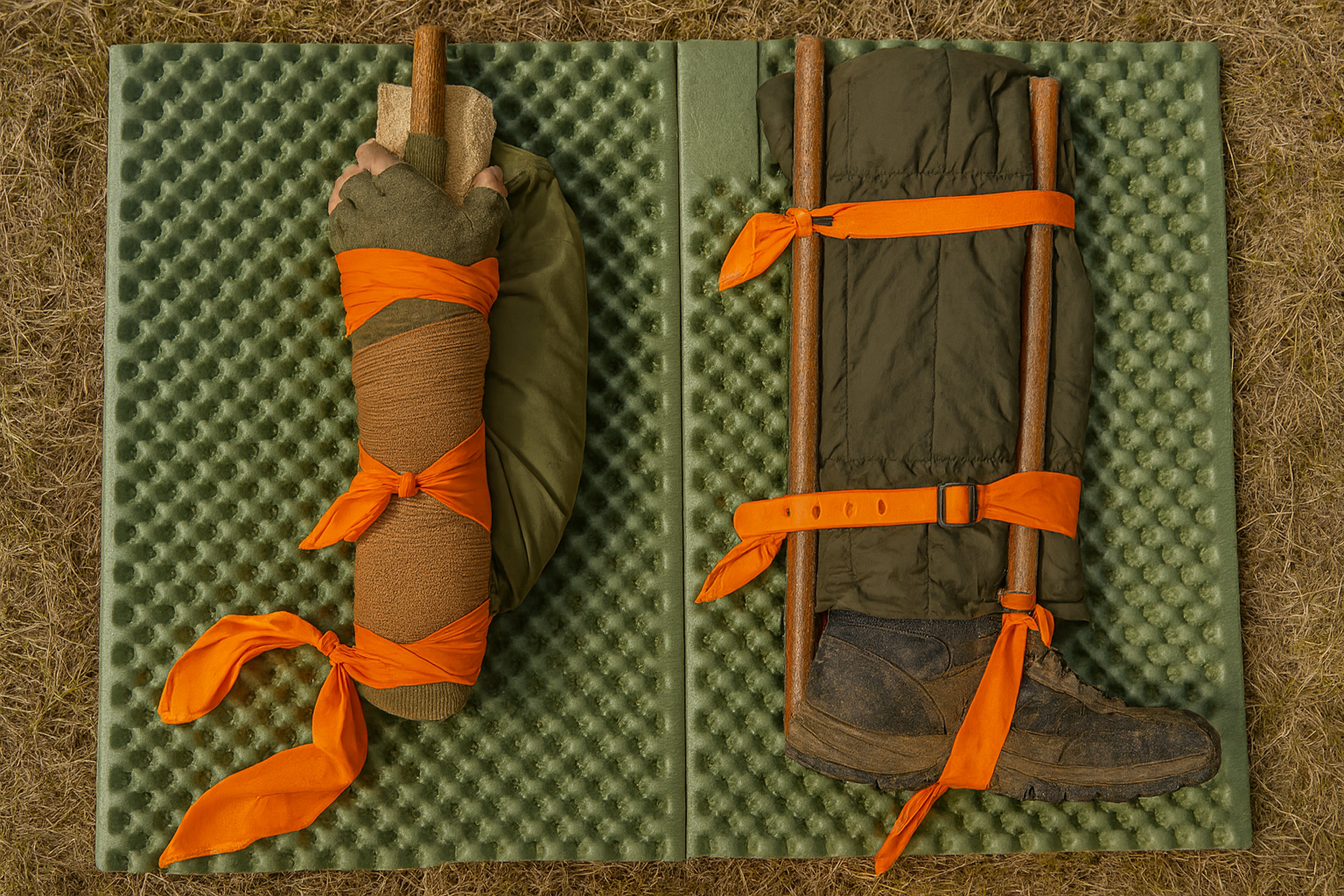
- Forearm: One pole + padding + bandana wraps
- Lower leg: Two poles medial/lateral + sleeping pad
- Traction splint: Requires training but possible
As Crutches:
- Adjust to armpit height
- Pad top with spare clothing
- Tape tennis balls on tips for stability (if available)
Bandana Field Medicine
That simple cloth becomes:
- Pressure dressing over gauze
- Sling for arm injuries
- Cravat for securing splints
- Eye covering for snow blindness
- Filtering for wound irrigation water
Environmental Resources
Natural materials with medical use:
- Clean snow for cooling burns/sprains
- Smooth sticks for finger splints
When NOT to Improvise
- Never improvise tourniquets with rope/belt - they don't work
- Never improvise chest seals without venting capability
- Never improvise with contaminated materials
Training Available: Wilderness First Responder (72‑80 hours) covers extensive improvisation
Environmental Injury Management
Prevention and Treatment in the Field
Hypothermia: The Gradual Killer
Recognition progression:
- Mild: Shivering, poor coordination
- Moderate: Stops shivering, confusion, slurred speech
- Severe: Unconscious, cardiac instability
Field Rewarming Protocol
- Prevent further loss - Shelter from wind/wet immediately
- Insulate completely - Ground pad is critical
- Vapor barriers - Garbage bags inside sleeping bag
- Gentle handling - Rough movement can trigger cardiac arrest
- Warm center first - Heat packs to armpits/groin, NOT extremities
Heat Illness: Racing the Clock
Cooling techniques that work:
- Wet and fan aggressively
- Ice packs to neck/armpits/groin
- Elevate legs if hypotensive
- Hydrate with electrolytes if conscious
What doesn't work:
- Alcohol baths (causes vasodilation)
- Oral fluids if altered mental status
What works fastest:
- Cold-water immersion is the fastest cooling method for exertional heat stroke - immerse to the neck with the head supported, and evacuate
Training Available: WFA/WFR includes extensive environmental medicine
Chest Seal Application
For Penetrating Chest Trauma
Recognizing the "Sucking Chest Wound"
Signs you need a chest seal:
- Penetrating wound to chest (entry or exit)
- Bubbling blood at wound site
- "Sucking" sound with breathing
- Increasing difficulty breathing
- Subcutaneous emphysema (crackling under skin)
Vented Seal Application
Using HyFin or similar vented seals:
- Expose completely - Check front AND back
- Wipe dry - Blood prevents adhesion
- Apply on exhale if possible
- Seal entry and exit wounds
- Monitor for tension - Worsening = "burp" the seal
Managing Tension Pneumothorax
Warning signs after seal placement:
- Rapidly worsening breathing
- Extreme anxiety
- Jugular vein distension
- Tracheal deviation (late sign)
Emergency action: Lift seal corner to release pressure, then reseal
Training Available: Evidence-based first responder courses cover chest seal application
Training Progression Pathway
Hands-On Bleeding Control
- Tourniquets
- Wound packing
- Pressure dressings
Wilderness First Aid (WFA)
16‑20 hours
- Environmental emergencies
- Improvised techniques
- Extended patient care
- Evacuation decisions
TECC‑LEO/FR
8 hours
- Military medicine adapted for civilians
- Tactical/austere environment focus
- Scenario‑based training
Wilderness First Responder (WFR)
72‑80 hours
- Comprehensive wilderness medicine
- Leadership and evacuation planning
- Extensive hands‑on practice
Practice Recommendations
Monthly Drills (10 minutes)
- Tourniquet application (both arms, weak hand)
- Pack deployment and organization
- Calling for help (GPS coordinates ready)
Quarterly Scenarios (30 minutes)
- Full MARCH assessment on partner
- Splinting practice with improvised materials
- Timed kit deployment drills
Annual Refreshers
- Formal skills verification
- Update expired medications
- Replace dated supplies
- Review new protocols


A Note from Our Founder
Why military medical principles belong in civilian packs

The Bridge Between Austere Medicine and the Backcountry
As a Navy veteran with time as a tactical medic and flight medic, I kept noticing the same thing: the medical challenges we trained for in remote, resource-limited environments weren't that different from what civilian wilderness travelers encounter in Colorado's fourteeners or Alaska's backcountry.
Extended evacuation times. Limited resources. Environmental threats. No backup coming. The only real difference? We had training and equipment designed specifically for those austere conditions. Civilians had band‑aids and gauze designed for kitchen cuts.
That disconnect costs lives. Every year, we lose hikers, hunters, and adventurers to preventable deaths - bleeding that could have been controlled, airways that could have been maintained, hypothermia that could have been prevented. Not because the interventions are complex, but because people carry equipment designed for suburban first aid to places where suburbia's safety net doesn't exist.
Evidence Over Everything
At MED‑TAC International, we don't guess about what works. The equipment we carry is selected based on clinical function, field experience, and peer‑reviewed wilderness medicine research.
When we say a tourniquet can save a life, it's because the evidence from thousands of field applications shows it. When we recommend hemostatic gauze, it's because controlled studies show superior bleeding control compared to direct pressure alone. This isn't marketing - it's medicine.
Why MARCH Works for Civilians
The MARCH protocol wasn't created in a classroom. It evolved from decades of combat casualty care, refined by hard‑won lessons. What makes it so powerful for civilian wilderness use is its simplicity and prioritization:
You treat what kills fastest, first.
Massive hemorrhage before airway. Airway before breathing. Each step is proven to maximize survival when you can't do everything at once. And in the wilderness, you're usually alone or with one partner - you can't do everything at once.
The Training Imperative
Here's what I tell every customer: Buying a tourniquet without training is like buying a parachute without learning to skydive. The equipment is only as effective as your ability to use it under stress.
That's why our team maintains active roles across military medicine, EMS, and emergency care education. The techniques that save lives in the most demanding environments work on the Continental Divide - but only if you know how to apply them.
Your Role in the Chain of Survival
In the wilderness, you aren't just the first link in the chain of survival - you might be the only link for hours. That's a responsibility we help you prepare for, not to create fear, but to build confidence.
Every kit we've curated, every product we stock, has been selected by clinicians and medics who have used this equipment or trained others who have. When you're three hours from the trailhead and someone's bleeding, theory won't stop the hemorrhage. Training and proper equipment will.
The Bottom Line
"We've seen what works in the most demanding, resource‑limited environments. Those same principles - rapid hemorrhage control, airway management, hypothermia prevention - save lives in the backcountry. Preparation isn't fear. It's the confidence to act when your partner needs you most."
Your Questions Answered by Tactical Medicine Experts
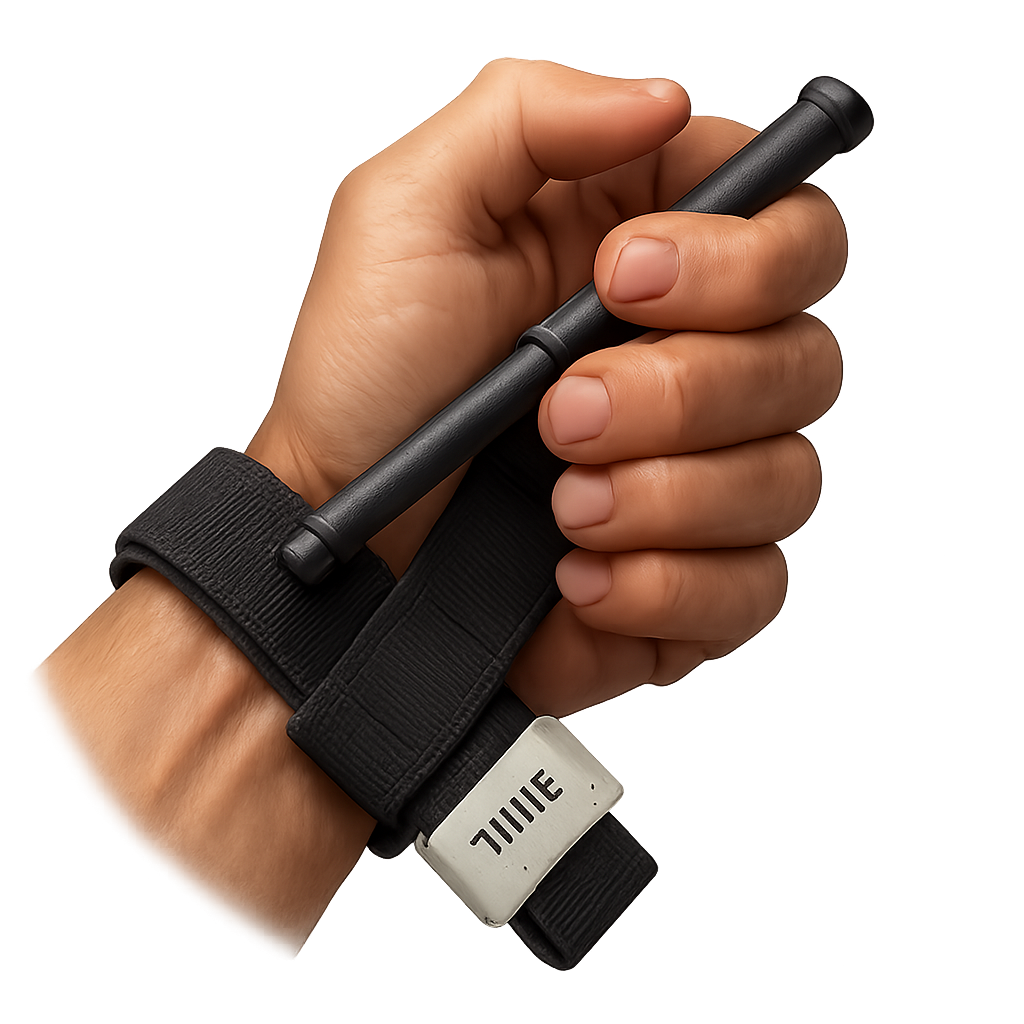
"I'm not a paramedic - can I really use this equipment?"
Yes, with proper understanding and training. Every product we feature is designed for use by non‑medical personnel with basic training. Public access bleeding control programs have trained millions of people to use tourniquets and other bleeding control techniques effectively. Our kits include "just in time" instruction cards that guide you through each intervention.
While we strongly recommend formal training, Good Samaritan protections exist to cover emergency aid rendered in good faith. Protections vary by state - check yours.
"What training do I need?"
Minimum recommended progression:
- Start with a hands-on bleeding control course (such as ACS Bleeding Control Basic) - Covers tourniquets, wound packing, and pressure dressings
- Add wilderness context with Wilderness First Aid (16‑20 hours) for environmental emergencies and extended care
- Go deeper with TECC‑aligned courses for austere medicine adapted for civilians
- Become proficient with Wilderness First Responder (72‑80 hours) - the gold standard for backcountry medicine
You can begin carrying and using basic hemorrhage control equipment after a hands-on bleeding control course, but continued education dramatically improves outcomes.
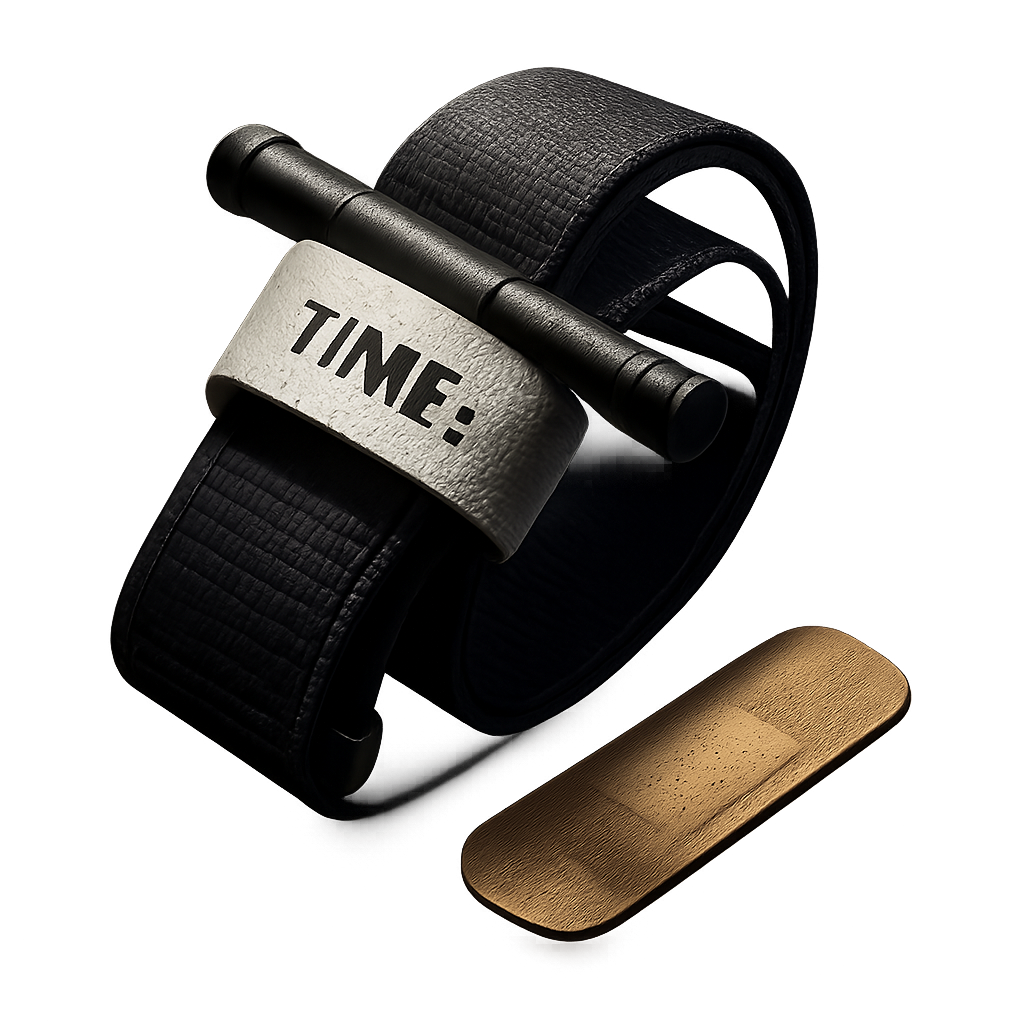
"How is this different from a drugstore first aid kit?"
It's the difference between treating injuries and saving lives.
| Drugstore Kits Treat: | Tactical Kits Treat: |
|---|---|
| Minor cuts and scrapes | Arterial hemorrhage |
| Headaches | Penetrating chest trauma |
| Blisters | Traumatic amputations |
| Minor burns | Tension pneumothorax |
| Upset stomach | Hypothermia/shock |
Drugstore kits assume you're minutes from an ambulance. Tactical medical kits assume you ARE the ambulance for the next several hours.
"Can civilians legally use tourniquets and hemostatic gauze?"
Yes. These are regulated medical devices available for civilian purchase, and no license is required to own or carry them. Good Samaritan protections vary by state - check yours, and get trained: acting in good faith, without expecting payment, is the common standard, and some states give stronger protection to people with recognized first aid training.

"How often should I replace expired supplies?"
Check dates annually, replace on this schedule:
- Hemostatic gauze: 3‑5 years from manufacture (QuikClot Combat Gauze: 5 years)
- Tourniquets: No fixed expiration - inspect regularly and replace if damaged
- Chest seals: Check the printed expiry. Replace on date or after the package is damaged
- Medications: Per expiration dates
- Pressure dressings: 5+ years if sealed and dry
Pro tip: Use expired supplies for training, then replace with fresh stock. Never train with your only tourniquet - always have a dedicated training unit.
"Do I need different kits for different seasons?"
Your core trauma kit stays the same, but seasonal additions matter:
Summer additions:
- Extra electrolyte replacement
- Cooling towels
- Additional water purification
- Insect bite/sting treatment
- Sunscreen (prevents burns that complicate evacuation)
Winter additions:
- Chemical heat packs (hypothermia prevention)
- Extra emergency blankets/bivvies
- Hand warmers (maintain dexterity for treatment)
- Windproof shelter materials
- Frostbite treatment supplies
Altitude additions (>10,000 ft):
- Pulse oximeter
- Altitude sickness medications (consult physician)
- Extra hydration capacity
- Sunglasses/eye protection (snow blindness)
"What if someone in my group has a severe allergy?"
Anaphylaxis in the wilderness is a true emergency. If anyone in your group has known severe allergies:
- They should carry TWO epinephrine auto‑injectors (EpiPen or similar)
- Know how to use them - practice with trainers
- Include antihistamines (Benadryl) in your kit
- Have evacuation plan ready - epinephrine buys time, not cure
- Consider Personal Locator Beacon (PLB) for immediate SOS capability

"How do I know if my tourniquet is counterfeit?"
Counterfeit tourniquets fail when you need them most. Verify authenticity:
- Buy only from authorized dealers (like MED-TAC)
- Check for:
- Proper width (1.5" minimum for SOF‑T and C-A-T)
- Metal windlass (not plastic)
- Reinforced stitching at stress points
- Manufacturer's authenticity markings
- Consistent labeling and packaging
Red flags: Prices under $20, unclear origin, plastic components where metal should be, poor stitching quality.
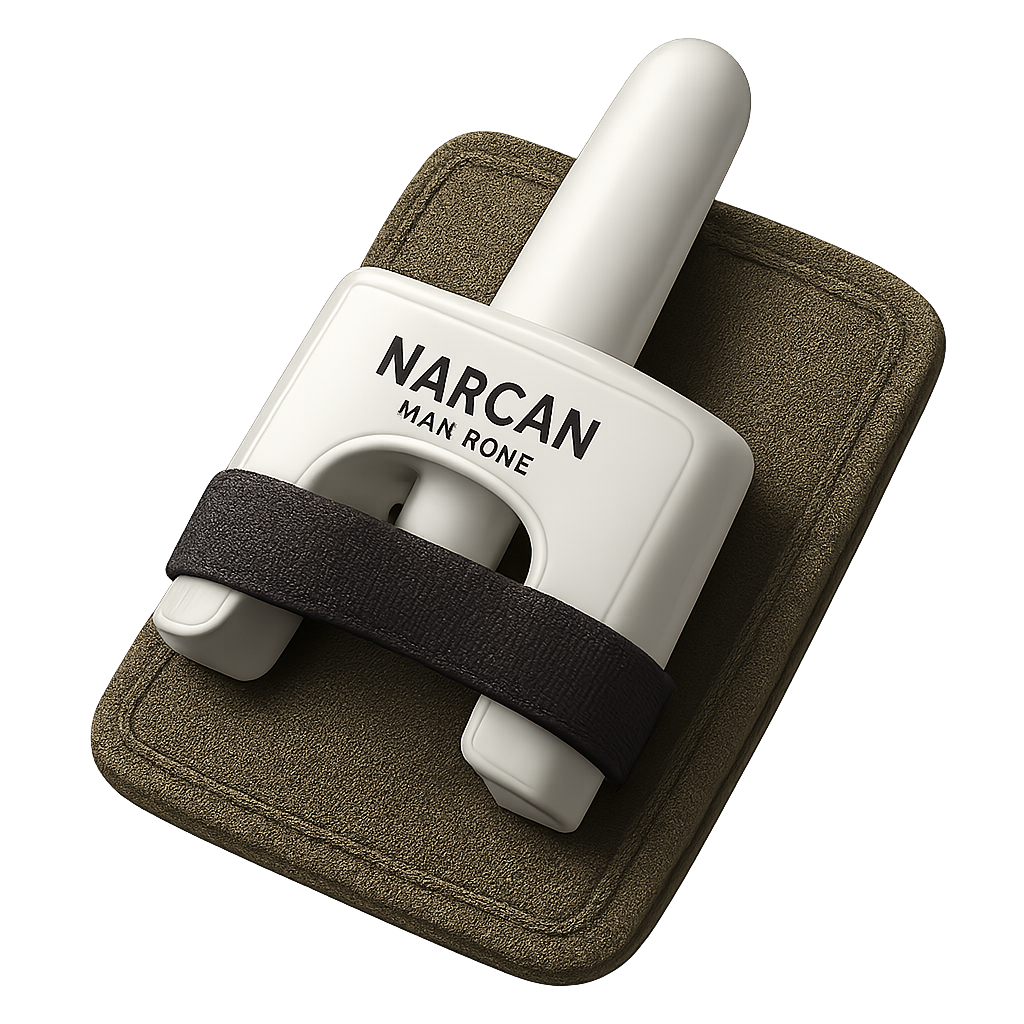
"Should I carry Narcan in the wilderness?"
While opioid overdose is less common in wilderness settings, consider carrying naloxone (Narcan) if:
- Your group includes chronic pain patients on opioids
- You're in areas with known drug activity
- You're trained in its use
- Remember: Naloxone only works for opioids, not other overdoses.
"What about water‑related emergencies?"
Drowning is a leading cause of death in wilderness settings. While our featured kits focus on trauma, consider adding:
- CPR pocket mask (included in most kits)
- Thermal protection for cold water immersion
- Whistle for water signaling
- Throw rope for swift water rescue (with training)
The Wilderness Medical Readiness Guide

Wilderness Medical Readiness Guide
A comprehensive backcountry medical planning resource: kit checklists by trip duration, MARCH quick reference, evacuation decision guides, and seasonal preparedness protocols.
Get the GuideAdditional Resources
Training Organizations
- Hands-on bleeding control courses: bleedingcontrol.org
- TCCC/TECC courses: Available through recognized national training programs
- Wilderness Medical Associates: Industry standard WFR/WEMT
- NOLS Wilderness Medicine: Expedition medicine focus
Equipment Standards
- Evidence-Based Products: Equipment selected on proven clinical function and operational field experience
- FDA Medical Device Database: Verify product legitimacy
- ANSI/ISEA Standards: PPE compliance verification
Emergency Resources
- Wilderness Medical Society: Clinical practice guidelines
- CDC Resources: Outdoor injury statistics and cold‑related death data
- National Park Service: Backcountry safety recommendations
Prepare for Your Next Adventure
Curated by medical professionals. Evidence-Based. Field-Proven.
The Choice Is Yours
Every time you step onto a trail, you make a choice. You can hope that nothing goes wrong, that other hikers will help, that cell service will magically appear, that the weather will hold, that evacuation will be swift.
Or you can be prepared.
The wilderness doesn't care about hope. It responds to preparation, training, and the right equipment used at the right time. The margin between a story you tell and a story told about you often comes down to what's in your pack and your ability to use it.
Start Your Preparedness Journey
Step 1: Choose Your Kit Level


Step 2: Get Trained
Free Resources:
- Download our MARCH Protocol Guide
- Access video demonstrations
- Join our monthly virtual Q&A
Recommended Courses:
- Find public access bleeding control classes near you
- Register for TECC‑aligned certification courses
- Locate WFR courses in your area
Step 3: Join Our Community
Monthly Newsletter:
- Wilderness medicine updates
- Seasonal preparedness tips
- Training opportunities
- Product updates and recalls
Social Channels:
Why Choose MED‑TAC International?
Authentic Products Only
We're an authorized dealer for North American Rescue, TacMed Solutions, and all featured brands. No counterfeits. No compromises.
Expert Support
Have questions? Our team includes physicians, paramedics, and veteran medics. Contact our expert team for guidance.
Satisfaction Guaranteed
30‑day returns on unopened products. We stand behind everything we sell because lives depend on it.
Fast, Discreet Shipping
Orders ship within 48 hours for in‑stock items. Plain packaging available. International shipping to most countries.
"In wilderness medicine, there are no heroes - only prepared people and lucky people. The lucky ones meet the prepared ones on the trail."