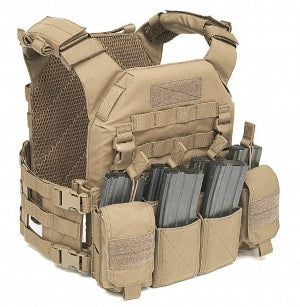
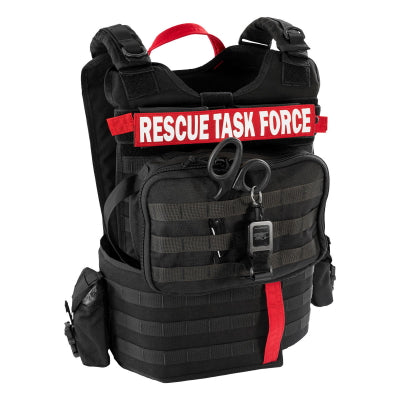
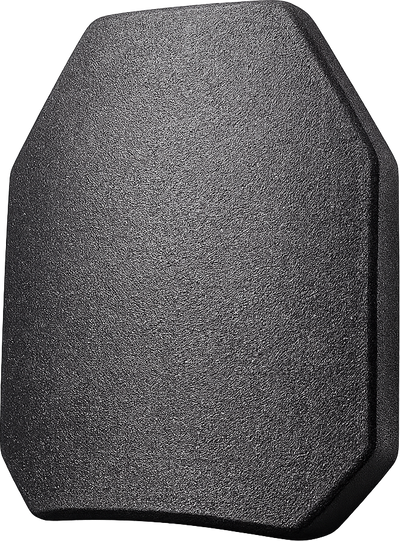
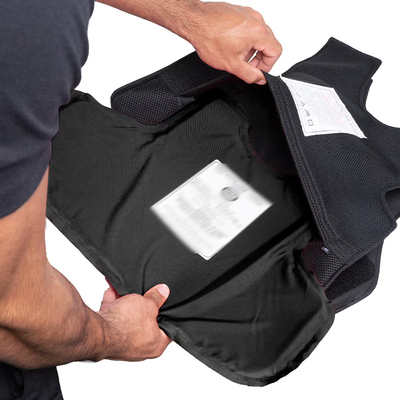
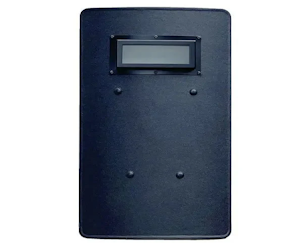
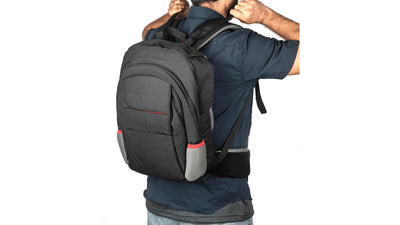
Hard armor plates, soft armor panels, plate carriers, tactical vests, and armor accessories tested to NIJ standards — Level IIIA through Level IV. Sourced from established manufacturers and authorized distributors for military, law enforcement, executive protection, and civilian preparedness. Clinician-founded, veteran-led — we carry armor we'd trust in the field.
NIJ Protection Levels at a Glance
NIJ Standard 0101.07 defines the test protocols — velocity, caliber, and shot count — behind every level below. Match the level to your threat profile, then choose the plate material and carrier that fit how long you'll be wearing it.
| NIJ Level |
Armor Type |
Threats Defeated |
Typical Use |
| IIIA |
Soft armor (aramid / UHMWPE) |
Handguns up to .44 Mag, 9mm FMJ |
Daily patrol, concealed wear |
| III |
Hard plate (steel, PE, ceramic) |
7.62×51mm NATO M80 ball |
Military, patrol rifle threat areas |
| III+ / Special Threat |
Hard plate (ceramic, PE composite) |
M193, M855 / SS109, M855A1 EPR |
Active shooter response, SWAT |
| IV |
Hard plate (ceramic composite) |
.30 cal armor-piercing (M2 AP) |
High-threat military, HRT, SOF |
Plate Materials: Ceramic, Polyethylene, Steel
| Material |
Strengths |
Trade-offs |
| Ceramic composite |
Defeats high-velocity rifle rounds by fracturing the projectile on the strike face; reaches Level IV |
Multi-hit capability varies by design; vulnerable to invisible damage from drops |
| Polyethylene (UHMWPE) |
Best strength-to-weight ratio at Level III; buoyant, moisture-resistant |
Limited against AP threats; heat-sensitive storage |
| Steel |
Lowest cost per plate; strong multi-hit performance |
Heaviest option; requires anti-spall coating to manage fragmentation |
Compare specifications side by side in the Armor Plates & Panels collection, or view soft panels in Soft Armor Panels.
Choosing a Carrier
Plate carriers are worn externally with MOLLE webbing for pouches, admin panels, and medical kits — the standard for military and tactical law enforcement. Duty tactical vests integrate soft armor in a carrier worn over the uniform for patrol and patrol-rifle roles. Concealable carriers ride under clothing for plainclothes and executive protection work. Many high-threat LE assignments layer both: soft armor underneath, hard plate carrier over the top.
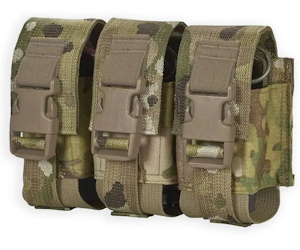
Configure the full system across Plate Carriers & Tactical Vests, Premium Body Armor Vests, and Armor Accessories for cummerbunds, quick-release systems, and side armor. Medics running armor and a medical load-out simultaneously should start with Plate Carriers for Tactical Medics and mount an IFAK pouch to the MOLLE grid.
Build Your Ballistic Protection System
Plates, carriers, and soft armor — tested to NIJ standards, sourced from authorized manufacturers.
Frequently Asked Questions
What does "tested to NIJ standards" mean?+
It means the armor has been ballistically tested against the threat levels defined in an NIJ standard — currently NIJ 0101.07. Separately, the NIJ maintains a Compliant Products List (CPL) for models manufacturers voluntarily submit for independent laboratory verification. For law enforcement or duty use, verify CPL status before purchase.
How long does body armor last before replacement?+
Most manufacturers warrant soft panels for 5 years and hard plates for 5–10 years under normal conditions. Service life depends on storage, UV exposure, moisture, and wear. Never machine wash ballistic panels — wet/dry cycling degrades the fibers. Inspect ceramic plates after any significant drop; structural damage is often invisible from the outside. Follow the manufacturer's inspection intervals and replace on schedule.
Can civilians legally purchase Level III and Level IV armor?+
In most of the United States, yes. Federal law prohibits anyone convicted of a violent felony from possessing body armor. A small number of states restrict online or mail-order purchase and require an in-person transaction with a licensed dealer — Connecticut is the long-standing example. Body armor laws change; confirm current requirements in your state before ordering. MED-TAC does not ship to restricted addresses.
What plate size should I order — 10×12, SAPI, or ESAPI?+
10"×12" (254×305mm) is the most common civilian and LE size and fits most commercially available carriers. Military SAPI and ESAPI plates run XS through XL on their own dimensional standard — Medium SAPI is 8.75"×11.75". Carrier pockets are cut for specific geometry (shooter's cut, SAPI cut, or full cut), so measure your plate pocket before ordering. Compatible carrier sizes are listed on individual product pages.
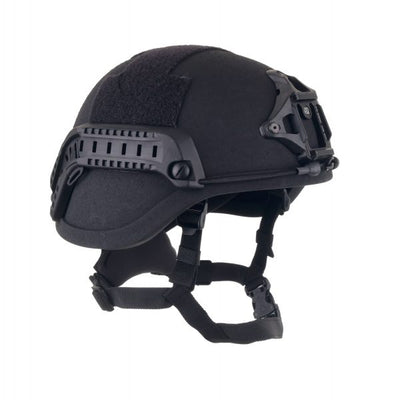
Do ballistic helmets integrate with plate carrier systems?+
They function as complementary but independent systems. Helmets mount comms, night vision, and cameras via NVG shrouds and accessory rails; carriers connect to chest rigs and MOLLE pouches. When building a full kit, check that the helmet-and-carrier combination doesn't create pressure points at the collar or restrict head movement under load. See the
Ballistic Helmets collection.
Related Collections
All products sourced from the brand manufacturer or an authorized master distributor. CoTCCC-recommended status verified where applicable. Ships from MED-TAC International — clinician-founded, veteran-led, SDVOSB-certified.