What Is Massive Hemorrhage Control?
Massive hemorrhage control is the immediate intervention required to stop life-threatening external bleeding — the "M" in the MARCH algorithm (Massive hemorrhage, Airway, Respirations, Circulation, Hypothermia/Head injury). According to the Joint Trauma System Clinical Practice Guidelines, uncontrolled hemorrhage accounts for approximately 91% of potentially survivable combat deaths and up to 35% of prehospital civilian trauma fatalities. The priority sequence is: (1) apply a CoTCCC-recommended limb tourniquet for extremity bleeds, (2) pack wound cavities with hemostatic gauze and apply direct pressure, and (3) use junctional devices for inguinal, axillary, or truncal hemorrhage that tourniquets cannot address.
How Do Tourniquets, Hemostatic Agents, and Pressure Dressings Compare?
Each device addresses a different wound profile. Tourniquets control extremity bleeding, hemostatic agents manage non-compressible and cavity wounds, and pressure dressings secure packed wounds for transport. The table below shows when to reach for each.
| Device Category | Primary Use | Key Products | CoTCCC Status |
|---|
| Limb Tourniquets | Extremity arterial/venous bleeding | CAT Gen 7, SAM XT, SOFTT-W | Recommended |
| Hemostatic Gauze | Wound packing for non-compressible hemorrhage | QuikClot Combat Gauze, Celox Rapid, ChitoGauze | Recommended |
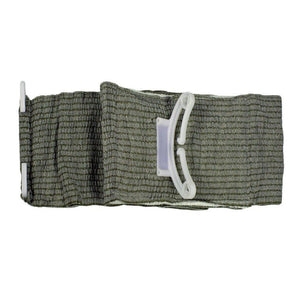
| Pressure Dressings | Securing packed wounds under sustained pressure | Israeli Bandage (Emergency Bandage), OLAES, SWAT-T | Field standard |
| Junctional Devices | Inguinal, axillary, and truncal hemorrhage | AAJT-S, SAM Junctional Tourniquet, iTClamp | Recommended (AAJT-S, SJT) |
Why Does the MARCH Algorithm Start with Hemorrhage?
The MARCH algorithm — developed from Tactical Combat Casualty Care (TCCC) guidelines — prioritizes massive hemorrhage first because exsanguination kills faster than any other treatable injury. A severed femoral artery can cause fatal blood loss in under three minutes. By addressing the "M" before airway or breathing, the protocol reflects battlefield data showing that rapid tourniquet application and wound packing produce the highest survival impact per second of intervention. The full MARCH algorithm covers all five phases of casualty care.
What Tourniquets Do Military and Law Enforcement Use?
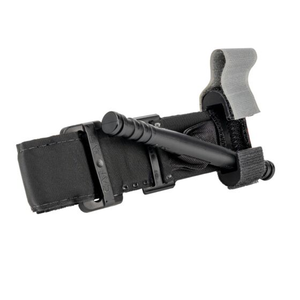
The three CoTCCC-recommended limb tourniquets are the CAT (Combat Application Tourniquet) Gen 7 by North American Rescue, the SAM XT Extremity Tourniquet by SAM Medical, and the SOF Tactical Tourniquet Wide (SOFTT-W) by Tactical Medical Solutions. The CAT Gen 7 remains the most widely issued tourniquet across U.S. military branches and is standard in most law enforcement IFAKs. The SAM XT uses a patented TRUFORCE™ buckle that provides audible and tactile confirmation of adequate pressure — helpful for self-application. The SOFTT-W uses an aluminum windlass with a wider strap for enhanced occlusion pressure distribution. Browse the full selection in our Tourniquets collection.
How Do Hemostatic Agents Work to Stop Bleeding?
Hemostatic agents accelerate clot formation through different mechanisms depending on the active ingredient. Kaolin-based agents (QuikClot Combat Gauze) activate Factor XII in the intrinsic clotting cascade, concentrating clotting factors at the wound surface. Chitosan-based agents (Celox, ChitoGauze) work independently of the body's clotting cascade — chitosan carries a positive charge that attracts negatively charged red blood cells and platelets, forming a gel-like seal even in hypothermic or coagulopathic patients. This distinction matters: chitosan-based products retain efficacy in patients on blood thinners (warfarin, heparin) where kaolin-based products may be less effective. Explore all options in the Hemostatic Agents collection.
What Should Be in a Bleeding Control Kit?
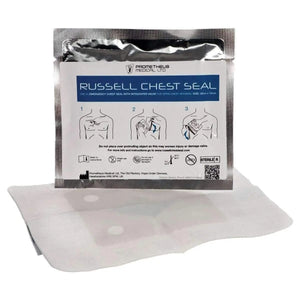
A properly stocked bleeding control kit — whether an IFAK, a public access kit, or a vehicle trauma kit — should contain at minimum: one CoTCCC-recommended tourniquet, one hemostatic gauze (z-fold or roll, minimum 3 feet), one pressure dressing (Israeli Bandage or equivalent), one chest seal (vented preferred), one pair of trauma shears, and nitrile gloves. For kits staged in public access locations, add a second tourniquet and a marker for noting application time. MED-TAC offers pre-built kits in the IFAK Kits and Bleeding Control Kits collections, or you can build your own from individual components in this collection.
Build Your Hemorrhage Control Loadout
From individual tourniquets to complete response kits — sourced direct from the manufacturer.
Frequently Asked Questions
How long can a tourniquet be left on before causing tissue damage?+
Current TCCC guidelines support tourniquet application times of up to two hours with low risk of limb-threatening ischemia. Studies from the Joint Trauma System report safe application windows of 2–6 hours depending on the limb and patient condition. The priority is always to stop the bleed first — conversion to a pressure dressing or hemostatic agent can be considered by trained providers when the tactical situation permits, but tourniquet removal in the field is not recommended for non-medical personnel.
What is the difference between kaolin and chitosan hemostatic agents?+
Kaolin (used in QuikClot Combat Gauze) activates the intrinsic clotting cascade by triggering Factor XII — it requires functional coagulation factors to be effective. Chitosan (used in Celox and ChitoGauze) works independently of the clotting cascade through electrostatic attraction of red blood cells, forming a mucoadhesive gel. Chitosan retains efficacy in hypothermic and coagulopathic patients and in those on anticoagulant medications. Both are CoTCCC-recommended, but the mechanism difference matters when selecting for specific patient populations.
Can civilians legally carry and use a tourniquet?+
Yes. Tourniquets are legal to purchase, carry, and use in all 50 U.S. states. The Stop the Bleed campaign — supported by the American College of Surgeons — trains civilians in tourniquet application and hemorrhage control, and many states have Good Samaritan protections covering trained bystanders. There are no restrictions on purchasing any hemorrhage control devices sold in this collection.
What does CoTCCC-recommended mean for hemorrhage control devices?+
The Committee on Tactical Combat Casualty Care (CoTCCC) reviews clinical evidence and field performance data to issue recommendations — not certifications or approvals — for medical devices used in tactical and prehospital environments. A CoTCCC recommendation means the device has met rigorous efficacy and safety criteria based on published research and real-world deployment outcomes. It is the gold standard for trauma equipment selection across U.S. military and many law enforcement agencies. MED-TAC verifies CoTCCC recommendation status for all applicable products in this collection.
How should hemostatic gauze be applied to a wound?+
Expose the wound and identify the bleeding source. Pack the hemostatic gauze directly into the wound cavity, tight against the source of bleeding, until the cavity is firmly filled. Apply direct pressure for at least three minutes (five for kaolin-based agents), then secure with a pressure dressing. The agent must be in direct contact with the bleeding vessel. Training through Stop the Bleed or a TCCC course is strongly recommended.
What is a junctional tourniquet and when is it needed?+
A junctional tourniquet controls hemorrhage where a standard limb tourniquet cannot be applied: the groin (inguinal), armpit (axillary), and neck/trunk junction. Devices like the AAJT-S and SAM Junctional Tourniquet use pneumatic bladders or targeted pressure pads to compress major vessels at these junctions, extending hemorrhage control beyond the extremities.
How often should hemorrhage control supplies be replaced?+
Most hemostatic agents carry a 3–5 year shelf life from manufacture (check lot-specific dates). Tourniquets do not expire but should be inspected every 6 months for UV degradation, strap fraying, or windlass integrity, especially if stored in vehicles. Replace any product immediately if sterile packaging is compromised, and rotate stock first-in-first-out.
Related Collections
All products sourced from the actual brand manufacturer or authorized master distributors. CoTCCC recommendation status verified where applicable. Ships from MED-TAC International, Pembroke Pines, FL — clinician-founded, veteran-led, SDVOSB-certified.